
Heart Failure Weight Monitoring and Fluid Tracking Guide
Amazon Affiliate Disclosure: As an Amazon Associate, TeleGeriatric may earn from qualifying purchases made through product links. This does not affect the price paid, the selection of products discussed or the independence of the editorial content.
Medical notice: This guide is educational and does not replace an individualized heart-failure action plan. Fluid limits, weight-alert thresholds and diuretic instructions should come from the treating clinician. Severe breathing difficulty, chest pain, fainting, blue or gray lips, or sudden confusion require emergency assessment.
Quick Jump
| Topic | Go directly to |
|---|---|
| Why weight matters | Introduction |
| Purpose of monitoring | What heart failure weight monitoring is for |
| Appropriate individuals | Who needs weight and fluid tracking |
| Fluid-retention physiology | How fluid retention changes body weight |
| Main advantages | Benefits and limitations |
| Daily weighing routine | How to track weight correctly |
| Warning thresholds | How much weight gain is dangerous |
| Fluid intake | How to track daily fluid intake |
| Related symptoms | Symptoms to record alongside weight |
| Device comparison | Smart scale vs regular scale |
| Connected care | Remote patient monitoring for heart failure |
| Care-team workflow | Measure, interpret, escalate and verify |
| Frequent mistakes | Common weight-tracking errors |
| Older adults | Geriatric considerations |
| Urgent symptoms | When to contact the care team |
| New technology | Upcoming trends and latest technology |
| Editorial conclusion | Editorial insights |
| Common questions | Frequently asked questions |
| Search questions | People Also Ask |
Introduction: Why the Scale Can Become an Early-Warning Instrument
Heart failure weight monitoring turns an ordinary bathroom scale into a daily surveillance tool. The number itself is not a diagnosis. Its value lies in the direction, speed and context of change.
A person living with heart failure may begin retaining sodium and water before the deterioration becomes obvious. Shoes may feel slightly tighter. A belt may become uncomfortable. Walking from the bedroom to the kitchen may require an extra pause. In other cases, the first measurable clue is a sudden increase in morning weight.
The American Heart Association advises people with heart failure to track weight and other symptoms because gradual deterioration can be difficult to recognize. It notes that an increase of more than two or three pounds in a day, or more than five pounds in a week, may reflect fluid retention and should prompt contact with the person’s healthcare professional according to the individualized care plan.
That does not mean every weight increase is cardiac congestion. A late meal, constipation, heavier clothing, a different scale, reduced activity or a measurement taken after breakfast can all move the number. Equally, serious congestion can sometimes develop without a dramatic increase in body weight. Weight should therefore be read as one signal within a wider clinical picture.
For people receiving Remote health monitoring, the morning measurement can be transmitted to a clinical dashboard and interpreted alongside blood pressure, pulse, oxygen saturation, symptoms, medication use and recent trends. The technology is useful only when the data lead to an appropriate human response.
What Is Heart Failure Weight Monitoring and What Is It For?
Heart failure weight monitoring is the repeated measurement and recording of body weight under standardized conditions, usually once each morning. It is used to identify changes that may be associated with fluid accumulation or excessive fluid loss.
The purpose is not to pursue weight loss or evaluate body composition. It is to answer a narrower clinical question:
Is the person’s fluid status moving away from their usual stable range?
Heart failure can interfere with the body’s ability to maintain an appropriate circulation. Reduced forward blood flow, increased venous pressure and kidney-mediated retention of sodium and water can contribute to congestion. Fluid may collect in the legs, abdomen or lungs. Because retained fluid has mass, a scale may detect part of that change.
A complete monitoring plan has several purposes:
Establish a Usual Stable Weight
The treating team may identify a reference weight at which the person is breathing comfortably, has minimal swelling and is not showing signs of dehydration. This is often called a target weight, baseline weight or dry weight.
“Dry” does not mean the lowest weight the person can tolerate. It refers to an estimated state in which excess congestion is controlled without removing so much fluid that blood pressure, kidney function or circulation deteriorates.
Detect Change Before a Crisis
The aim is to recognize a concerning trajectory while there is still time to contact the care team, review medication adherence, investigate dietary sodium, assess kidney function or follow an approved diuretic plan.
Evaluate Treatment Response
When a clinician adjusts a diuretic or other treatment, subsequent weight and symptom trends can help show whether congestion is improving, unchanged or possibly being overtreated.
Create a Shared Clinical Record
A written or automatically transmitted history is more useful than asking someone to remember several weeks of fluctuating numbers during an appointment.
Separate Trends From Impressions
People often adapt gradually to worsening breathlessness or reduced activity. A consistent measurement record can expose change that has become subjectively “normal.”
Who Needs Weight and Fluid Tracking in Heart Failure?
Most people diagnosed with symptomatic heart failure should discuss daily weight monitoring with their clinician. The intensity of monitoring should reflect clinical risk, functional ability and the likelihood that a measurement will lead to a useful intervention.
| Individual or situation | Why tracking may be particularly valuable | Possible adaptation |
|---|---|---|
| Recently discharged after heart-failure hospitalization | The early transition home is a vulnerable period for recurrent congestion | Connected scale, early clinical review and caregiver support |
| Person taking a loop diuretic | Weight and symptoms may help evaluate fluid response | Record dose timing, urine changes and dizziness |
| Recurrent swelling or breathlessness | Congestion may fluctuate before scheduled appointments | Use an individualized green-yellow-red action plan |
| Heart failure with kidney disease | Both fluid overload and excessive diuresis may be dangerous | Closer laboratory and clinician supervision |
| Limited awareness of symptoms | Gradual decline may be missed | Add caregiver observation and automatic transmission |
| Cognitive impairment | Memory and technique may reduce reliability | Use a simple scale, prompts and supervised measurement |
| Mobility or balance difficulty | Stepping onto a scale may create fall risk | Use a low-profile, stable or chair-accessible system |
| Person living alone | Deterioration may otherwise remain unnoticed | Automated alerts with an agreed escalation pathway |
| Advanced heart failure | Small changes may have greater clinical importance | Specialist-defined thresholds and hemodynamic monitoring when appropriate |
Daily tracking may be inappropriate or require modification when a person cannot stand safely, has severe agitation, is receiving end-of-life care focused primarily on comfort or becomes distressed by frequent measurements. In such cases, symptom-based observation, caregiver assessment or alternative devices may be more suitable.
The central question is not simply, “Can this person step on a scale?” It is, “Can the measurement be obtained safely, interpreted correctly and connected to a useful response?”
How Fluid Retention Changes Body Weight
A scale measures total mass. It does not identify whether a change comes from water, muscle, fat, food, stool, clothing or measurement error.
That distinction is crucial.
When heart failure worsens, several processes may encourage fluid retention:
Reduced Effective Circulation
Even when total body fluid is high, the kidneys may perceive that effective arterial circulation is inadequate. Hormonal systems respond by retaining sodium and water.
Increased Venous Pressure
Pressure can rise behind the heart, encouraging fluid to move into tissues. This may appear as swelling in the ankles, lower legs, thighs or abdomen.
Pulmonary Congestion
Fluid-related pressure in the pulmonary circulation can contribute to breathlessness, reduced exercise tolerance, coughing, difficulty lying flat or waking suddenly at night short of breath.
Reduced Diuretic Response
A prescribed diuretic may become less effective because of kidney dysfunction, medication interactions, intestinal edema, high sodium intake, missed doses or progression of heart failure.
Redistribution Without Major Weight Gain
Fluid can shift from the legs or abdomen toward the chest without producing a large change in total body mass. This is one reason weight alone cannot rule out worsening congestion.
| Scale pattern | Possible explanation | What provides context |
|---|---|---|
| Rapid upward trend | Fluid retention, measurement inconsistency or unusually high food intake | Swelling, breathing, sodium exposure, medication use |
| Gradual upward trend | Congestion, reduced activity, true tissue gain or constipation | Waist fit, edema, functional change and longer history |
| Rapid downward trend | Diuresis, dehydration, poor intake, diarrhea or scale error | Blood pressure, thirst, dizziness, urine output |
| Weight unchanged but symptoms worsen | Fluid redistribution, lung process, anemia, infection or arrhythmia | Respiratory symptoms, pulse, oxygen saturation and examination |
| Weight falls but swelling persists | Partial decongestion, low protein state, venous disease or measurement variation | Clinical assessment and laboratory testing |
The most informative unit is therefore not a single pound. It is the pattern of weight plus symptoms plus treatment context.
Daily Weight Monitoring for Heart Failure: Benefits and Limitations
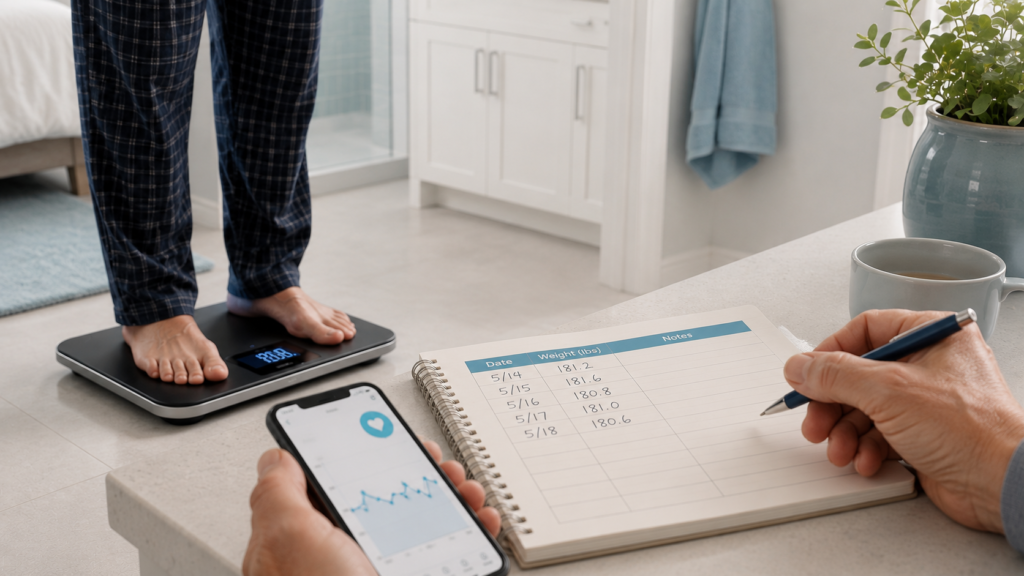
Daily weight monitoring for heart failure is attractive because it is inexpensive, familiar and available at home. Yet its simplicity can lead to overconfidence.
Earlier Recognition of Possible Congestion
A rising trend may appear before the individual considers their symptoms severe enough to report. This creates an opportunity for earlier review.
Better Continuity Between Appointments
A clinic visit captures a moment. A daily record captures movement. It can show whether the person has been stable, fluctuating or steadily worsening.
More Informed Medication Conversations
A clinician can interpret a treatment response more effectively when weight, symptoms, blood pressure and medication use are recorded together.
Greater Caregiver Awareness
Family members may notice a repeated yellow-zone pattern even when the person feels “about the same.”
Stronger Remote-Care Workflows
Connected measurements can reduce transcription errors and bring deteriorating trends to the care team’s attention.
Better Understanding of Personal Triggers
Over time, a record may expose recurring patterns after high-sodium meals, missed diuretics, travel, illness, steroid treatment or reduced activity.
The limitations are just as important.
Weight may rise for reasons unrelated to heart failure. A person may also become congested with little change on the scale. The 2025 systematic review of wearable congestion-monitoring studies found promising reductions in heart-failure events among selected high-risk populations, but the included studies used different technologies, enrolled relatively few participants and did not establish that routine weight measurement alone produces the same results. (Frontiers)
A scale is best understood as a screening signal. It becomes clinically meaningful when it is embedded in a response system.
How to Track Weight and Fluid at Home Correctly
Consistency is more important than technical sophistication.
Use the Same Scale
Different scales may vary enough to create a false trend. Place the scale on a firm, level surface rather than thick carpet.
Measure at the Same Time
The preferred routine is usually:
- Wake in the morning.
- Empty the bladder.
- Weigh before breakfast.
- Weigh before consuming a large drink.
- Wear similar clothing or no additional clothing.
- Record the result immediately.
The American Heart Association similarly advises morning weighing after urination and before breakfast so that day-to-day comparisons are more meaningful. (www.heart.org)
Stand Safely and Still
Feet should be positioned consistently. A grab bar or nearby support may be needed, but leaning heavily can distort the reading. Anyone with significant instability should be assessed for a safer method rather than encouraged to risk a fall.
Record More Than the Number
A useful daily entry may include:
| Daily field | Why it matters |
|---|---|
| Morning weight | Identifies the direction and speed of change |
| Shortness of breath | Helps distinguish benign variation from deterioration |
| Ability to lie flat | May reveal increasing pulmonary congestion |
| Ankle or abdominal swelling | Adds visible evidence of fluid accumulation |
| Blood pressure and pulse | Provides hemodynamic context |
| Oxygen saturation when prescribed | Adds respiratory context |
| Diuretic dose and time | Helps interpret treatment response |
| Missed medication | May explain deterioration |
| Fluid intake when restricted | Shows whether the agreed target was followed |
| High-sodium food exposure | May explain temporary fluid retention |
| Dizziness, thirst or weakness | May indicate excessive fluid loss or low pressure |
Use a Seven-Day Trend, Not Memory
A chart makes direction visible. One unusual reading should be repeated to confirm that the scale is working correctly. A sustained rise should not be dismissed because the person feels well.
Know the Personalized Baseline
The care team should document:
- The target or usual stable weight
- The amount of gain that should trigger contact
- Which symptoms require same-day review
- Whether a preauthorized diuretic plan exists
- Which number to call during and outside office hours
- Which symptoms require emergency services
Medication should not be increased, reduced or withheld solely from online guidance. Self-adjustment is appropriate only when the treating clinician has supplied a written, individualized protocol.
How Much Weight Gain Is Dangerous in Heart Failure?
A common warning threshold is a gain of more than two or three pounds in 24 hours or more than five pounds in one week. These values are widely used as prompts to contact the heart-failure team, but they are not universal treatment commands. The person’s individualized threshold takes priority. (www.heart.org)
Some individuals may require action at a smaller change. Others have a naturally variable weight. A frail person weighing 100 pounds and a larger person weighing 250 pounds may not be managed with identical thresholds.
Heart Failure Weight Response Chart
| Zone | Weight and symptom pattern | Suggested response |
|---|---|---|
| Green: usual range | Weight near baseline, breathing unchanged, no new swelling | Continue the agreed daily routine |
| Yellow: early warning | Confirmed rapid gain, new ankle swelling, tighter clothing or mild increase in breathlessness | Contact the care team according to the action plan |
| Orange: urgent clinical review | Continued gain, reduced urine, worsening breathlessness, difficulty lying flat or marked fatigue | Seek prompt same-day clinical guidance |
| Red: emergency | Severe breathlessness at rest, chest pain, fainting, blue or gray lips, severe confusion or inability to speak normally because of breathlessness | Call emergency services |
Why the Rate of Change Matters
Five pounds gained over several months may reflect tissue gain, reduced activity or nutrition. Five pounds gained over two days has a different clinical meaning, particularly when accompanied by swelling or respiratory symptoms.
Why Symptoms Can Override the Scale
A person with severe breathlessness at rest should not wait for the scale to cross a numeric threshold. Conversely, an isolated increase after a large meal should be confirmed under usual morning conditions.
Why Weight Loss Can Also Be Concerning
A rapid fall may be the intended result of diuretic therapy. It may also indicate:
- Excessive diuresis
- Low blood pressure
- Dehydration
- Poor food intake
- Diarrhea or vomiting
- Progressive frailty
- Loss of muscle mass
Weight loss accompanied by faintness, weakness, reduced urine, confusion or very low blood pressure requires clinical review.
Fluid Intake Tracking in Heart Failure: How Much Is Too Much or Too Little?
Fluid tracking is the measurement of beverages and other items that become liquid at room or body temperature. It may be recommended when congestion is difficult to control, sodium levels are low, kidney function is impaired or the clinician has prescribed a specific daily limit.
Not every person with heart failure needs a strict fluid restriction. Restricting fluid without an individualized reason can contribute to thirst, low blood pressure, kidney injury, constipation, confusion and poor quality of life.
What May Count Toward a Fluid Allowance?
Depending on the clinical plan, fluid intake may include:
- Water
- Tea and coffee
- Milk
- Juice and soft drinks
- Soup and broth
- Ice
- Gelatin
- Frozen desserts
- Liquid nutritional supplements
- Water taken with medication
The care team should clarify how to count foods with high water content. The goal is practical consistency, not false precision.
A Simple Fluid-Tracking Method
Choose one marked bottle, jug or measuring cup that represents the daily allowance. Each consumed fluid is either poured from the container or subtracted from the total. This is often easier than reconstructing intake at the end of the day.
Fluid Intake Is Not the Same as Fluid Balance
Net fluid status depends on more than beverages. It is influenced by:
- Urine output
- Perspiration
- Breathing
- Vomiting or diarrhea
- Kidney function
- Diuretic response
- Sodium intake
- Intravenous fluids
- Changes in circulation
A person can follow a fluid limit and still retain fluid after a high-sodium meal. Another person can drink a normal amount and become dehydrated because of fever, diarrhea or excessive diuresis.
Sodium Often Drives Thirst and Retention
A high-sodium meal may produce thirst while encouraging the body to retain water. Tracking fluid without considering sodium exposure can leave the most important trigger unexamined.
Avoid “Saving” the Entire Allowance for Evening
Consuming most of the day’s fluid at once may worsen discomfort, nocturia and breathlessness. Unless instructed otherwise, spreading intake across the day is generally more tolerable.
Symptoms to Track Alongside Heart Failure Weight
Weight becomes more clinically useful when paired with a structured symptom review.
Breathing During Ordinary Activity
Record whether the person can walk, dress, bathe or prepare food with the usual effort. Functional change is often more revealing than the word “breathless.”
Breathing While Lying Flat
Needing more pillows, sleeping in a chair or waking suddenly gasping can indicate worsening congestion and deserves prompt attention.
Swelling
Check the ankles, lower legs and abdomen. A consistent observation point is more useful than squeezing different areas each day.
Oxygen Saturation
A pulse oximeter may be useful when prescribed or included in the monitoring plan, particularly when heart failure coexists with lung disease. The number must be interpreted with symptoms, circulation, device quality and the person’s usual baseline. Guidance on technique and interpretation is available through Blood Oxygen Monitoring.
A normal oxygen reading does not rule out early congestion. A low or falling reading may reflect heart failure, lung disease, infection, poor circulation, motion, cold fingers or device error.
Pulse and Rhythm
A new rapid or irregular pulse may accompany atrial fibrillation, infection, medication problems or worsening heart failure.
Blood Pressure
High blood pressure can increase cardiac workload. Very low pressure accompanied by faintness, weakness or confusion may indicate inadequate circulation, medication effects or excessive fluid removal.
Urine Pattern
Reduced urine despite taking a prescribed diuretic may be relevant, but home urine estimates are often imprecise. The change should be communicated rather than used as the sole basis for medication decisions.
Appetite and Abdominal Fullness
Congestion affecting the liver or abdomen can cause early satiety, nausea or reduced appetite before dramatic leg swelling appears.
Cognition
New confusion, unusual sleepiness or impaired attention can be an important sign in older adults. Family members may recognize it before the affected person does.
Smart Scale vs Regular Scale for Heart Failure
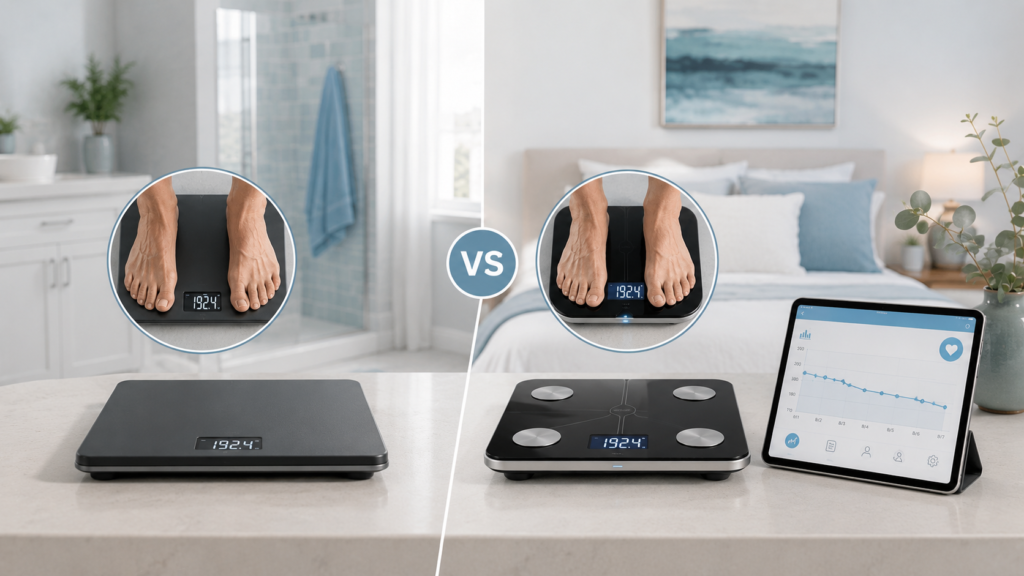
The comparison between a smart scale and a regular scale is not simply digital versus non-digital. The real distinction is whether the device improves measurement reliability, adherence and clinical response.
| Feature | Regular digital scale | Connected smart scale |
|---|---|---|
| Measures body weight | Yes | Yes |
| Automatically records readings | Usually no | Usually yes |
| Sends data to a caregiver or clinic | No | Possible |
| Requires manual transcription | Yes | Usually reduced |
| Works without internet | Yes | Depends on model |
| Setup complexity | Low | Moderate |
| Risk of forgotten entries | Higher | Lower when transmission succeeds |
| Useful for a person comfortable with paper logs | Yes | Possibly unnecessary |
| Useful in structured RPM programs | Limited | Often preferred |
| Clinical advantage without monitoring staff | Minimal | Minimal |
When a Regular Scale Is Enough
A basic digital scale may be entirely adequate when the individual:
- Weighs consistently
- Can read and record the display
- Understands the action plan
- Has a caregiver who reviews the log
- Can contact the care team when thresholds are reached
When a Smart Scale Adds Value
A connected scale is more useful when:
- Memory is unreliable
- Manual logs are often incomplete
- The person lives alone
- A clinical team reviews transmitted data
- Weight is part of a broader monitoring program
- A caregiver needs remote access
- Repeated hospitalizations justify closer surveillance
Features That Matter More Than a Large App
For an older adult, the most valuable specifications may be:
- Stable, non-slip platform
- Large, high-contrast display
- Low step-up height
- Adequate weight capacity
- Reliable cellular connection
- Automatic transmission
- Minimal menus
- Clear error messages
- Caregiver or clinician sharing
- Compatibility with the monitoring service
Body-fat percentages and consumer “metabolic age” calculations are generally less important to heart-failure fluid surveillance than accurate, repeatable weight transmission.
A Connected Scale Does Not Create Connected Care
Automatic transmission is only the first half of the system. Someone must review the data, filter false alerts, contact the person, make a clinical decision and confirm whether the intervention worked.
Without that workflow, a smart scale is merely a scale that stores numbers elsewhere.
Remote Patient Monitoring for Heart Failure
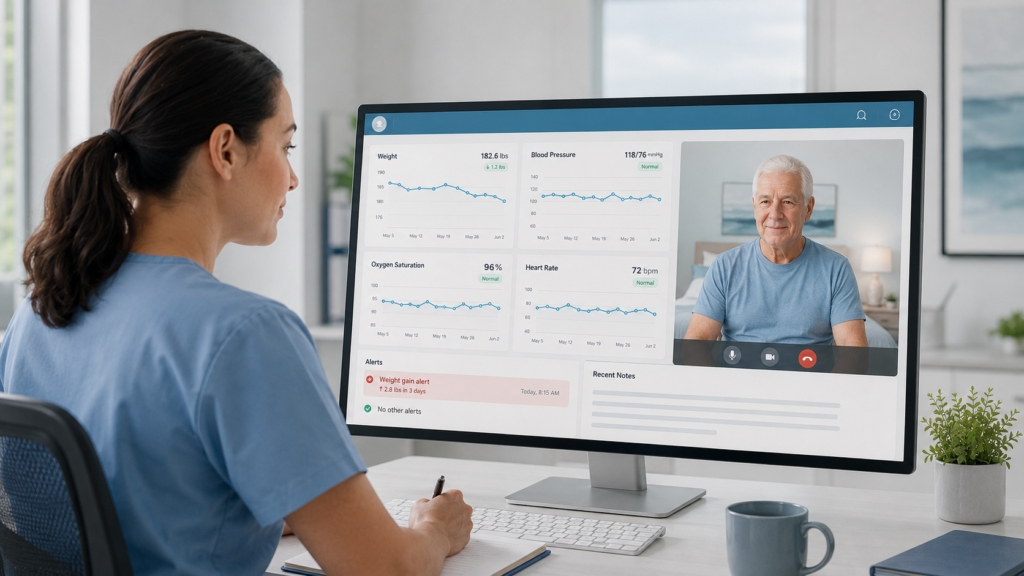
Remote patient monitoring for heart failure uses connected medical devices to collect physiologic information outside the clinic and transmit it to a healthcare professional.
CMS describes remote patient monitoring as a three-part service: education and setup, supply of a connected device, and treatment management based on the transmitted data. Weight scales, blood-pressure cuffs and pulse oximeters are among the devices that may be incorporated. (Centers for Medicare & Medicaid Services)
A heart-failure program may combine:
| Monitoring domain | Example data | Clinical question |
|---|---|---|
| Fluid trend | Daily weight | Is body mass rising rapidly? |
| Circulation | Blood pressure and pulse | Is the person tolerating treatment? |
| Respiratory status | Oxygen saturation and respiratory rate | Is breathing status changing? |
| Symptoms | Breathlessness, swelling and fatigue | Is function deteriorating? |
| Medication | Diuretic dose and adherence | Was treatment taken as prescribed? |
| Behavior | Sodium exposure and fluid intake | Is a modifiable trigger present? |
| Activity | Steps or movement | Is functional capacity declining? |
The strongest programs do not treat every weight change as an emergency. They use personalized thresholds and trend logic.
For example, a three-pound increase with worsening orthopnea may require prompt review. The same increase after a scale was moved from tile to carpet may require only measurement correction. A smaller gain combined with rising respiratory rate, reduced activity and new swelling may be more important than the weight alone.
Remote monitoring also works best when connected with Telehealth. Device data can identify the need for a virtual assessment, while the consultation provides the clinical context that numbers cannot supply.
What a Reliable Program Should Define
A mature service should specify:
- Who reviews incoming data
- How often dashboards are reviewed
- What creates an automated alert
- What creates a nurse call
- When a clinician is involved
- How medication instructions are documented
- How emergency symptoms are handled
- How failed transmissions are detected
- How caregivers participate
- How the response is recorded and audited
Monitoring without accountability can produce the appearance of safety while leaving dangerous gaps.
The Measure, Interpret, Escalate and Verify Framework
A useful heart-failure monitoring system can be organized into four stages.
1. Measure
Collect weight under standardized conditions and record relevant symptoms, medications and vital signs.
2. Interpret
Compare the current measurement with:
- The person’s usual baseline
- The previous day
- The seven-day direction
- Current symptoms
- Recent medication changes
- Sodium and fluid exposure
- Kidney function when known
- Measurement reliability
3. Escalate
Match the response to the level of risk.
| Finding | Typical workflow |
|---|---|
| One unexpected reading without symptoms | Repeat measurement and check technique |
| Confirmed rapid gain without severe symptoms | Notify the care team according to the action plan |
| Gain plus swelling or increased breathlessness | Prioritize same-day review |
| Severe respiratory or circulatory symptoms | Activate emergency care |
| Rapid loss plus dizziness or low pressure | Contact the care team for possible over-diuresis or dehydration |
4. Verify
After any intervention, confirm whether:
- Weight returned toward baseline
- Breathing improved
- Swelling decreased
- Blood pressure remained safe
- Urine response changed
- Dizziness or weakness developed
- Laboratory testing is needed
- The plan requires further adjustment
A closed loop is safer than a one-time alert. The central question after action is not “Was the person contacted?” but “Did the person improve?”
Common Weight and Fluid Tracking Errors
Comparing Morning Weight With Evening Weight
Food, beverages, clothing and normal daily fluid shifts make the comparison misleading.
Moving the Scale
A change from hard flooring to carpet can create a false trend.
Using Several Scales
Home, clinic and hospital scales may differ. Trends should be interpreted within the same measurement system whenever possible.
Ignoring a Reading Because the Person Feels Well
Fluid accumulation can begin before symptoms become obvious.
Treating a Reading as Proof of Congestion
A single number cannot identify the cause of weight gain.
Recording Weight Without Recording Symptoms
A number without context can produce both missed deterioration and unnecessary alarms.
Adjusting Diuretics Without an Approved Plan
Diuretics affect blood pressure, kidney function and electrolytes. An unsupervised increase can cause harm even when the scale is rising.
Focusing Only on Weight Gain
Unexpected weight loss can indicate dehydration, over-diuresis, poor intake or frailty.
Counting Beverages but Ignoring Sodium
A person may remain within a fluid allowance while consuming enough sodium to encourage thirst and retention.
Buying a Connected Device Without Confirming Compatibility
A consumer scale may send data to its own app but not to the clinic’s platform.
Assuming Automatic Transmission Means Automatic Review
Data may upload successfully without being assessed immediately. The person should still follow the written escalation plan.
Geriatric Considerations in Heart Failure Weight Monitoring
Older adults often have the most to gain from home monitoring and the greatest barriers to using it safely.
Balance and Fall Risk
A narrow glass scale may be unsuitable for a person with neuropathy, arthritis, tremor, weakness or impaired vision. Device selection should begin with stability rather than app features.
Cognitive Change
Complex instructions fail when they require multiple menus, passwords or daily calculations. Automation, large labels, voice prompts and caregiver support can improve reliability.
Sarcopenia and Frailty
An older person may lose muscle while simultaneously retaining fluid. Body weight can remain deceptively stable because one process masks the other.
This is a clinically important limitation: stable total weight does not always mean stable health.
Kidney Dysfunction
Chronic kidney disease narrows the margin between congestion and excessive fluid removal. Medication changes may require laboratory monitoring rather than scale-guided decisions alone.
Orthostatic Hypotension
A person may have edema and still become dizzy when standing because circulation and medication effects are complex. Swelling should not automatically lead to unsupervised fluid restriction or extra diuretic use.
Incontinence and Nocturia
Fear of urinary urgency may cause a person to skip diuretics. Asking about adherence without judgment can uncover a practical problem that appears on the scale as “treatment failure.”
Hearing and Vision Impairment
High-contrast displays, audible confirmation, large print and caregiver notifications may be more important than advanced analytics.
Social Support
A connected scale cannot prepare low-sodium food, collect prescriptions or recognize confusion. Monitoring plans should account for transportation, finances, food access, caregiver availability and health literacy.
Residential Setting
In assisted living or long-term care, the plan should clarify whether nursing staff, caregivers or family members are responsible for weighing, recording, reviewing and escalating results.
When to Contact the Heart Failure Care Team
Contact instructions should be individualized before a problem occurs.
Contact the Care Team According to the Same-Day Plan When There Is:
- A confirmed rapid weight increase above the prescribed threshold
- New or increasing ankle, leg or abdominal swelling
- Greater breathlessness during usual activity
- A new need for extra pillows
- Waking at night short of breath
- Reduced urine despite taking the prescribed diuretic
- New dizziness, faintness or unusual weakness
- Rapid weight loss with poor intake or low blood pressure
- A missed diuretic with worsening symptoms
- Repeated high or low blood-pressure readings outside the agreed range
- A new rapid or irregular pulse
- Increasing confusion or unusual sleepiness
Seek Emergency Help When There Is:
- Severe difficulty breathing at rest
- Chest pressure or chest pain
- Fainting
- Blue or gray lips
- Severe confusion
- Inability to remain awake
- A sudden major decline in function
- Coughing pink or frothy material
- Breathlessness so severe that normal speech is difficult
The AHA emphasizes tracking shortness of breath, difficulty lying flat, sudden nighttime breathlessness, swelling, heart rate, blood pressure and cognitive change alongside daily weight. (www.heart.org)
Do not drive a severely breathless or fainting person to a distant clinic when emergency services are appropriate.
Upcoming Trends and Latest Technology in Heart Failure Fluid Monitoring
The next phase of heart-failure monitoring is moving beyond a single daily measurement toward multi-signal congestion detection.
Multi-Sensor Monitoring
Newer platforms can combine weight with respiratory rate, oxygen saturation, heart rate, activity, posture, ECG data and heart or lung sounds.
In January 2026, the FDA reviewed a wireless remote-monitoring platform capable of collecting heart and lung sound data, oxygen saturation, heart rate, ECG, respiratory rate, temperature, activity and posture. Its home-use configuration can also integrate blood-pressure and weight devices and notify healthcare professionals when readings cross configured limits. The indication is for non-critical adult monitoring rather than independent diagnosis.
The strategic shift is important: the future alert may not say merely “weight increased.” It may say “weight increased, respiratory rate rose, activity fell and nighttime posture became more upright.”
Bioimpedance and Body-Water Scales
Some investigational smart scales estimate extracellular and total body water rather than reporting weight alone. Studies are examining whether these measurements can distinguish pressure-related congestion from changes in fluid volume, particularly in heart failure with preserved ejection fraction.
This technology remains more complex than an ordinary scale. Hydration estimates can be affected by body composition, skin contact, posture and device algorithms. It should not be presented as a replacement for clinical assessment.
Wearable Lung-Fluid Detection
Remote dielectric sensing, thoracic impedance and other chest-worn systems aim to identify pulmonary congestion more directly than body weight.
A 2025 meta-analysis of four studies involving recently hospitalized, high-risk participants found fewer heart-failure hospitalizations and worsening-heart-failure events with wearable-guided management. However, the technologies differed, the populations were selected and only one included study evaluated fully home-based remote use. The results are promising, not a license to generalize every consumer wearable to routine care. (Frontiers)
Implantable Pulmonary-Artery Pressure Sensors
Implantable sensors measure pressure changes that may precede visible edema or major weight gain.
The FDA-expanded indication for the CardioMEMS HF System includes certain people with New York Heart Association Class II or III heart failure who have had a recent heart-failure hospitalization or elevated natriuretic peptides. The system wirelessly measures pulmonary-artery pressure and heart rate to support clinician-directed management. (FDA Access Data)
The FDA approved the Cordella Pulmonary Artery Sensor System in 2024 for specified people with NYHA Class III heart failure who are receiving diuretics and guideline-directed medical therapy. It is intended to transmit pulmonary-artery pressure data to aid clinical management and reduce heart-failure hospitalizations. (FDA Access Data)
These systems are not upgraded bathroom scales. They require invasive implantation, patient selection, specialist oversight and consideration of procedural risk.
Personalized Alert Thresholds
Fixed rules such as “two pounds in a day” are easy to understand but can produce false alarms or miss deterioration.
Emerging systems are likely to use:
- Personal baseline variability
- Rate of change
- Symptom combinations
- Medication history
- Prior decompensation patterns
- Kidney function
- Activity decline
- Respiratory changes
- Caregiver observations
The objective is not more alerts. It is better discrimination between noise and clinically meaningful change.
Passive Functional Monitoring
Reduced movement, slower walking, longer periods sitting upright at night and altered sleep may appear before a person reports deterioration. Wearable and ambient sensors are increasingly being studied as indirect markers of worsening health.
The challenge is specificity. Activity may fall because of arthritis, weather, depression, infection or a family event. Passive data must be interpreted rather than automatically medicalized.
Voice and Lung-Sound Analysis
Congestion can alter breathing patterns, cough and possibly vocal characteristics. Research systems are exploring whether brief speech or recorded respiratory sounds can detect change remotely.
These tools are developmental. They should not be confused with validated stand-alone diagnostic tests.
Interoperability With Clinical Records
The practical value of monitoring rises when data flow into the same environment used for clinical work. Separate apps and dashboards create alert fatigue, missed messages and duplicate documentation.
The preferred future state is a system in which:
- The device identifies a meaningful trend.
- The trend enters the clinical workflow.
- The appropriate professional reviews it.
- The person is contacted.
- The intervention is documented.
- The response is measured.
Outcome-Linked Digital Care
CMS describes connected weight scales as part of covered remote patient monitoring when the service meets applicable requirements and includes setup, device supply and treatment management. (Centers for Medicare & Medicaid Services)
The CMS ACCESS Model, launched in 2026, is testing outcome-aligned payments for technology-supported chronic care. Its design emphasizes clinician-guided, coordinated services rather than technology delivered in isolation. (Centers for Medicare & Medicaid Services)
That direction matters for heart failure. A device should not be rewarded merely for generating data. The care model should be judged by whether it improves the person’s condition, prevents avoidable deterioration and fits into existing clinical relationships.
Technology Development Chart
| Technology | What it measures | Current role | Main limitation |
|---|---|---|---|
| Digital scale | Total body weight | Established home-monitoring tool | Weight is an indirect congestion marker |
| Connected scale | Weight plus automatic transmission | Common RPM component | Requires reliable clinical review |
| Bioimpedance scale | Estimated body-water compartments | Emerging and investigational use | Algorithm and measurement variability |
| Chest wearable | Impedance, lung fluid or multiple signals | Selected programs and evolving evidence | Comfort, adherence and generalizability |
| Heart/lung sound patch | Acoustic and physiologic trends | New remote-monitoring capability | Does not independently diagnose deterioration |
| Pulmonary-artery sensor | Intracardiopulmonary pressure | Selected specialist-managed individuals | Invasive procedure and eligibility limits |
| Passive activity sensor | Movement, sleep and posture | Supporting contextual signal | Low specificity |
| Voice or cough analysis | Acoustic change | Research stage | Clinical validation remains incomplete |
Editorial Insights: The Scale Is a Signal, Not the Care Plan
Heart failure weight monitoring succeeds when it reduces uncertainty between appointments.
The bathroom scale is crude compared with an implanted pressure sensor, but it is inexpensive, understandable and available every morning. Those qualities make it valuable. They do not make it definitive.
The central mistake is to treat the number as the intervention. Data collection is only the opening move. A complete system requires accurate technique, an individualized baseline, symptom context, a written threshold, rapid access to a clinician and confirmation that the chosen response worked.
For older adults, usability determines clinical value. A technologically impressive scale that creates a fall risk, loses connectivity or requires six app screens is inferior to a basic scale that is used safely every day. Conversely, a connected scale can be transformative for a person whose cognitive impairment, isolation or repeated admissions make manual tracking unreliable.
The next generation of monitoring will combine weight with breathing, circulation, activity and congestion signals. Yet more data will not automatically produce better care. The strongest systems will reduce alert noise, preserve clinical judgment and place the individual’s experience at the center of every decision.
That is the broader aim of Homepage: extending geriatric care beyond the clinic without pretending that a device can replace the relationship between a person, caregiver and clinical team.
Frequently Asked Questions About Heart Failure Weight Monitoring
What time should heart failure patients weigh themselves?
The usual recommendation is once each morning, after emptying the bladder and before breakfast or a large drink. The person should use the same scale, surface and amount of clothing so that day-to-day changes are comparable.
Can heart failure cause rapid weight gain overnight?
Yes. Rapid weight gain may occur when the body retains sodium and water. A confirmed increase above the individualized threshold, especially with swelling or breathlessness, should be reported according to the heart-failure action plan.
Should heart failure patients track water intake every day?
Only when the clinician recommends fluid tracking or prescribes a daily allowance. Universal fluid restriction is not appropriate because insufficient intake can contribute to dehydration, low blood pressure, kidney problems and confusion.
Can a smart scale detect fluid retention?
A standard smart scale detects weight change, not the cause of that change. Some advanced systems estimate body water, but these measurements still require clinical interpretation and should not independently direct medication changes.
Does daily weight monitoring prevent heart failure hospitalization?
Daily weighing can support earlier recognition, but the measurement alone does not prevent hospitalization. Benefit depends on accurate use, symptom assessment, timely clinical review and an effective treatment response.
FAQ Summary Table
| Question | Essential answer |
|---|---|
| Best time to weigh | Morning, after urination and before breakfast |
| Rapid gain overnight | May indicate fluid retention |
| Track all fluids | Only when part of the prescribed plan |
| Smart-scale capability | Tracks trends but does not diagnose congestion |
| Hospitalization prevention | Requires a complete monitoring and response system |
People Also Ask About Weight and Fluid Tracking in Heart Failure
How much weight gain is dangerous in heart failure?
A commonly used alert is more than two or three pounds in one day or more than five pounds in a week. The treating clinician may set a different threshold based on baseline weight, kidney function, frailty and previous episodes. (www.heart.org)
What does fluid overload feel like in heart failure?
Possible symptoms include tighter shoes, ankle or abdominal swelling, increasing breathlessness, difficulty lying flat, nighttime breathlessness, fatigue, cough and rapid weight gain. Some people have subtle symptoms, making trend tracking important.
How do you know whether a diuretic is removing enough fluid?
The care team may look for movement toward the target weight, improved breathing, reduced swelling and an appropriate urine response. Blood pressure, kidney function and electrolytes may also need review because greater weight loss is not always safer.
Why can weight go down while swelling remains?
Weight may fall before tissue swelling fully resolves. Persistent edema can also result from venous disease, low protein levels, kidney or liver disease, medication effects or reduced mobility rather than heart failure alone.
What is dry weight in congestive heart failure?
Dry weight is the estimated weight at which excess congestion is controlled without causing dehydration, low blood pressure or impaired kidney function. It is a clinical target range, not necessarily the person’s lowest recent weight.
People Also Ask Decision Table
| Search question | Main interpretation | Next step |
|---|---|---|
| Dangerous weight gain | Speed and symptoms matter | Follow the individualized alert threshold |
| Feeling of fluid overload | Swelling and respiratory change are common | Report worsening symptoms promptly |
| Is the diuretic working? | Weight is only one response marker | Review symptoms, pressure and laboratory needs |
| Weight down, swelling present | Congestion may be incomplete or another cause may exist | Request clinical assessment |
| Meaning of dry weight | Approximate stable, non-congested range | Confirm the target with the care team |