
Musculoskeletal Nutrition & Bone Health Supplements
Amazon Affiliate Disclosure: Geronutrition.com participates in the Amazon Services LLC Associates Program. Some links may earn commissions at no additional cost to readers.
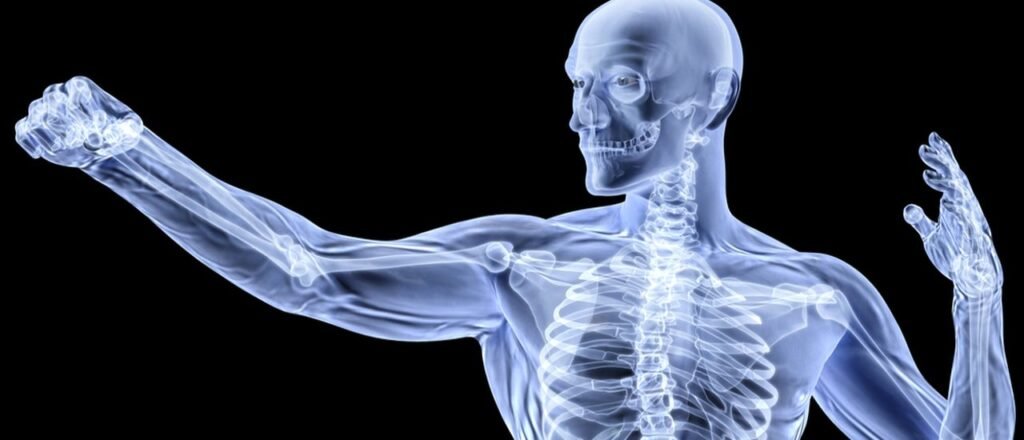
Bone and muscle health becomes one of the most important pillars of healthy aging after the age of 50. Bone density naturally declines with age, muscle mass gradually decreases, and recovery from injury often slows down. Nutrition directly influences how well the body maintains skeletal strength, mobility, balance, posture, and independence.
This comprehensive guide explores the science, supplementation strategies, and nutritional support systems that help aging adults maintain stronger bones and healthier muscles for long-term mobility.
For broader healthy aging strategies, visit the Geronutrition Hub and explore our Longevity Science Educational Resources.
Jump to the Section You Need
- Best supplements for osteoporosis prevention
- Vitamin D3 + K2 for seniors
- Calcium supplements for elderly adults
- Protein supplements for sarcopenia
- Magnesium for bone and muscle health in aging
- Supplement Comparison Chart
- Costs and Buying Guide
- Risks and Safety Considerations
- FAQs
What Is This Guide For?
This guide is designed for adults seeking evidence-based nutritional support for:
- Osteoporosis prevention
- Sarcopenia management
- Joint stability
- Muscle recovery
- Bone density support
- Fall prevention
- Healthy aging mobility
- Post-menopausal bone health
- Senior fitness nutrition
- Longevity-focused supplementation
It also helps caregivers, clinicians, wellness researchers, and older adults compare the most effective supplement categories used in modern bone and musculoskeletal nutrition programs.
Who Needs Musculoskeletal Nutrition & Bone health Supplements Support?
Adults Over 50
Age-related bone mineral density decline accelerates after midlife. Nutritional support helps reduce long-term structural degeneration.
Post-Menopausal Women
Reduced estrogen levels can significantly increase osteoporosis risk.
Older Adults with Low Protein Intake
Insufficient protein intake is strongly associated with sarcopenia and frailty.
Seniors with Limited Sun Exposure
Vitamin D deficiency is extremely common among elderly adults who spend limited time outdoors.
Adults Recovering from Falls or Fractures
Musculoskeletal recovery requires higher nutritional support for tissue rebuilding.
Physically Active Seniors
Exercise increases protein and mineral demands for recovery and preservation of lean muscle.
Benefits of Bone & Musculoskeletal Nutrition
Stronger Bone Density
Targeted nutritional support helps maintain mineralization and skeletal strength.
Improved Mobility
Healthy muscles and joints support walking stability and balance.
Reduced Fall Risk
Maintaining muscle mass lowers the risk of instability-related injuries.
Better Recovery
Protein and mineral support can improve healing response after exercise or injury.
Longevity Support
Musculoskeletal health is directly associated with independence and lifespan quality.
Enhanced Muscle Preservation
Aging adults naturally lose lean tissue over time. Nutritional intervention slows progression.
Trends & Latest Technology in Bone Health Nutrition
The bone health supplement market has evolved dramatically in recent years.
Personalized Supplement Testing
Modern longevity clinics increasingly use:
- Vitamin D blood testing
- Bone density scans
- Muscle composition analysis
- Genetic nutrient testing
- Microbiome analysis
Combination Formulas
Consumers are shifting from isolated calcium supplementation toward combined formulas containing:
- Vitamin D3
- Vitamin K2
- Magnesium
- Collagen peptides
- Trace minerals
Senior Protein Innovation
Protein supplements for sarcopenia now include:
- Leucine-enriched proteins
- Hydrolyzed whey isolate
- Plant protein blends
- Ready-to-drink senior nutrition shakes
Smart Longevity Nutrition
Advanced longevity programs now combine:
- Resistance training
- High-protein nutrition
- Mobility programs
- Bone density monitoring
- Recovery optimization
Many older adults now combine nutritional interventions withTelemedicine services to improve medication management, mobility monitoring, fall prevention, and long-term chronic care support from home.
Upcoming Models & Emerging Supplement Innovations
Several emerging supplement categories are attracting attention in healthy aging research.
Nano-Absorption Minerals
Nano-sized mineral formulations aim to improve nutrient absorption efficiency.
AI-Personalized Nutrition Programs
Artificial intelligence is increasingly being used to personalize supplement recommendations.
Digital healthy aging platforms such asTeleGeriatric.com are also expanding access to remote senior care, nutrition guidance, rehabilitation support and aging-focused healthcare education.
Advanced Collagen Matrix Formulas
Next-generation collagen supplements combine:
- Type I collagen
- Type II collagen
- Hyaluronic acid
- Boron
- Silica
Muscle Preservation Peptides
Research into muscle-supporting peptides and amino acid combinations is rapidly expanding.
Best Supplements for Osteoporosis Prevention
Bone health maintenance depends on multiple nutrients working together rather than relying on calcium alone.
Key Nutrients for Osteoporosis Prevention
| Nutrient | Primary Role | Common Sources |
|---|---|---|
| Calcium | Bone mineral structure | Dairy, supplements |
| Vitamin D3 | Calcium absorption | Sunlight, supplements |
| Vitamin K2 | Directs calcium to bones | Fermented foods |
| Magnesium | Bone metabolism | Nuts, greens |
| Protein | Structural support | Meat, whey, legumes |
| Collagen | Bone matrix support | Collagen peptides |
Most Effective Supplement Stack
Many healthy aging experts now recommend combining:
- Calcium citrate
- Vitamin D3
- Vitamin K2 MK-7
- Magnesium glycinate
- High-quality protein intake
Vitamin D3 + K2 for Seniors
The combination of vitamin d3 k2 has become one of the central discussions in modern bone and longevity nutrition. As people age, the body becomes less efficient at maintaining calcium balance, preserving bone density, and sustaining muscle function. This is one reason why searches for vitamin d3 and k2, vita d3, and vitamin d3 supplements continue to grow among older adults and caregivers.
For seniors, the conversation is no longer just about calcium intake alone. Researchers and clinicians increasingly focus on how calcium is absorbed, transported, and deposited throughout the body. That process depends heavily on vitamin D3 and vitamin K2 working together.
Understanding Vitamin D3
Vitamin D3, also known as cholecalciferol or colecalciferol, is the biologically active form of vitamin D most commonly used in supplementation.
Why Vitamin D3 Matters
Vitamin D3 helps the body absorb calcium effectively.
Without adequate vitamin D:
- Bone mineralization weakens
- Muscle weakness may increase
- Fall risk can rise
- Fracture recovery may slow
Vitamin D3 (Cholecalciferol)→Increased Calcium Absorption
Vitamin D3 is produced naturally in the skin through sunlight exposure, but aging significantly reduces the skin’s ability to generate adequate amounts. Older adults also tend to spend less time outdoors, further increasing deficiency risk.
Once absorbed, cholecalciferol undergoes conversion in the liver and kidneys into active hormonal forms that regulate calcium metabolism, muscle performance, immune signaling, and skeletal maintenance.
Low vitamin D3 status in seniors has been associated with:
- Reduced calcium absorption from food
- Accelerated bone mineral loss
- Increased risk of osteopenia and osteoporosis
- Muscle weakness and instability
- Slower mobility and reduced physical performance
- Increased fall susceptibility
- Impaired fracture healing
Because of these concerns, vitamin d3 tablets and vitamin d3 supplements are now commonly included in geriatric nutritional protocols.
Why Aging Increases Vitamin D Needs
Several physiological changes affect calciferol metabolism with age:
| Age-Related Factor | Effect on Vitamin D Status |
|---|---|
| Reduced skin synthesis | Less natural vitamin D production |
| Lower sunlight exposure | Increased deficiency risk |
| Declining kidney function | Reduced activation of vitamin D |
| Digestive inefficiency | Poorer nutrient absorption |
| Medication interactions | Altered vitamin metabolism |
These factors explain why many seniors require higher dietary intake or supplementation compared to younger adults.
Why Vitamin K2 Matters
Vitamin K2 helps guide calcium into bones instead of soft tissues.
This nutrient has gained major popularity in longevity-focused nutrition.
The Role of Vitamin K2 in Bone Health
Vitamin K2 works differently from vitamin D3, but the two nutrients are deeply interconnected.
While vitamin D3 improves calcium absorption from the intestines, vitamin K2 helps direct that calcium toward bones and teeth rather than allowing excessive accumulation in soft tissues.
Vitamin K2→Activation of Calcium-Binding Proteins
Vitamin K2 activates proteins involved in skeletal mineralization, including osteocalcin, which helps bind calcium into bone structure.
This mechanism has made vitamin d3 k2 combinations especially popular in longevity-oriented nutrition and healthy aging discussions.
Why Vitamin D3 and K2 Are Commonly Paired
Using vitamin d3 and k2 together creates a complementary nutritional strategy:
| Nutrient | Primary Function |
|---|---|
| Vitamin D3 (cholecalciferol) | Enhances calcium absorption |
| Vitamin K2 | Helps direct calcium into bones |
| Combined Action | Supports balanced calcium utilization |
Modern longevity research also examines how calcium metabolism, vascular health, insulin balance, and healthy aging intersect within comprehensive Cardiometabolic Nutrition approaches for seniors.
This synergistic relationship is one reason combined formulas dominate the bone health supplement category.
Vitamin D3 + K2 Benefits for Seniors
| Potential Benefit | Possible Senior Health Impact |
|---|---|
| Improved calcium utilization | Better skeletal mineral support |
| Bone density maintenance | Reduced age-related bone decline |
| Muscle performance support | Improved mobility and stability |
| Neuromuscular function support | Better coordination and balance |
| Bone remodeling support | Healthier long-term skeletal maintenance |
| Comprehensive mineral regulation | More efficient calcium handling |
Targeted nutritional strategies for aging adults increasingly focus on memory, mental clarity, neuroprotection, and long-term brain performance through specialized Cognitive & Brain Supplements.
Many clinicians now view vitamin d3 supplements as incomplete without adequate consideration of vitamin K intake.
Cholecalciferol vs Other Forms of Vitamin D
Vitamin D exists in multiple forms, but cholecalciferol is generally preferred in supplementation.
| Form | Common Name | Typical Source |
|---|---|---|
| Vitamin D2 | Ergocalciferol | Plant/fungal sources |
| Vitamin D3 | Cholecalciferol / Colecalciferol | Animal-based or lanolin-derived |
Vitamin D3 tends to produce more stable blood vitamin D levels in many individuals, which is why most premium vitamin d3 tablets use cholecalciferol rather than D2.
Common Signs of Low Vitamin D in Older Adults
Vitamin D insufficiency may develop gradually and remain unnoticed for long periods.
Possible signs include:
- Persistent fatigue
- Muscle aches
- Reduced grip strength
- Lower back discomfort
- Slower walking speed
- Frequent falls
- Bone pain
- Reduced physical endurance
Because symptoms can overlap with normal aging, blood testing is often necessary to identify deficiency.
Typical Dosage Ranges
| Nutrient | Common Daily Range |
|---|---|
| Vitamin D3 | 1000–5000 IU |
| Vitamin K2 MK-7 | 90–200 mcg |
Actual dosage needs depend on:
- Blood vitamin D levels
- Bone density status
- Sunlight exposure
- Kidney function
- Medication use
- Dietary intake
- Physician guidance
Some seniors with severe deficiency may temporarily require higher therapeutic dosing under medical supervision.
Best Delivery Forms for Seniors
Absorption efficiency and ease of use matter significantly in older populations.
Popular delivery forms include:
Softgels
Often combined with oils to improve absorption of fat-soluble nutrients like calciferol.
Liquid Drops
Useful for seniors who have difficulty swallowing vitamin d3 tablets.
Liposomal Formulas
Designed to improve nutrient delivery and gastrointestinal tolerance.
Combined D3 + K2 Capsules
Convenient all-in-one formulations that simplify supplementation routines.
Nutrients That Work Alongside Vitamin D3
Vitamin D metabolism does not operate in isolation. Several nutrients support its effectiveness:
| Supporting Nutrient | Role |
|---|---|
| Magnesium | Helps activate vitamin D |
| Calcium | Structural mineral for bones |
| Protein | Supports musculoskeletal maintenance |
| Zinc | Supports cellular repair |
| Boron | May support bone metabolism |
Without adequate magnesium intake, the body may struggle to fully utilize vita d3 efficiently.
Choosing High-Quality Vitamin D3 Supplements
Not all vitamin d3 supplements are manufactured equally. Seniors should pay attention to:
- Third-party testing
- Clearly labeled IU dosage
- MK-7 form of vitamin K2
- Oil-based delivery systems
- Minimal unnecessary additives
- Reliable manufacturing standards
Higher-quality formulations often improve consistency, absorption, and long-term adherence.
Sunlight vs Supplementation
Sunlight remains a natural source of cholecalciferol production, but many seniors cannot consistently maintain adequate levels through sunlight exposure alone due to:
- Indoor lifestyles
- Seasonal limitations
- Skin aging
- Sunscreen use
- Mobility restrictions
For this reason, vitamin d3 and k2 supplementation has become a practical strategy in modern senior nutrition programs.
Calcium Supplements for Elderly Adults
Calcium remains one of the most important minerals for aging skeletal support.
However, not all calcium supplements are equally absorbed.
Calcium Carbonate vs Calcium Citrate
Calcium Carbonate
Advantages:
- Lower cost
- Higher elemental calcium
- Widely available
Disadvantages:
- Requires stomach acid for absorption
- May cause digestive discomfort
Calcium Citrate
Advantages:
- Better absorption in older adults
- Easier on digestion
- Better for low stomach acid
Disadvantages:
- Slightly more expensive
- Lower elemental calcium concentration
Comparison Chart: Calcium Types
| Type | Absorption | Best For | Cost |
|---|---|---|---|
| Calcium Carbonate | Moderate | Budget-conscious users | Lower |
| Calcium Citrate | High | Seniors with digestion issues | Moderate |
| Calcium Hydroxyapatite | Moderate-High | Bone matrix support | Higher |
| Liquid Calcium | Fast | Swallowing difficulties | Moderate |
Foods Rich in Calcium
- Yogurt
- Sardines
- Cheese
- Tofu
- Kale
- Almonds
For broader nutrition planning, visit our Geronutrition homepage.
Protein Supplements for Sarcopenia
Sarcopenia refers to age-related muscle loss and is becoming one of the largest aging health concerns worldwide.
Why Protein Matters in Aging
Muscle tissue requires consistent amino acid intake for preservation.
Older adults often require higher protein intake due to anabolic resistance.
Whey vs Plant Protein for Seniors
Whey Protein
Advantages:
- High leucine content
- Fast absorption
- Strong muscle synthesis support
- Excellent amino acid profile
Disadvantages:
- Dairy-based
- May not suit lactose intolerance
Plant Protein
Advantages:
- Vegan-friendly
- Easier digestion for some users
- Sustainable sourcing
Disadvantages:
- Lower leucine concentration
- Some blends less complete nutritionally
Comparison Table: Whey vs Plant Protein
| Feature | Whey Protein | Plant Protein |
|---|---|---|
| Muscle synthesis support | Very High | Moderate-High |
| Digestion speed | Fast | Moderate |
| Amino acid completeness | Excellent | Depends on blend |
| Lactose-free | Usually No | Yes |
| Cost | Moderate | Moderate |
Best Protein Types for Seniors
- Whey isolate
- Hydrolyzed whey
- Pea + rice blends
- Collagen protein combinations
- High-leucine protein powders
CTA Button
Discover More Longevity Science Nutrition Topics →
Magnesium for Bone and Muscle Health
Magnesium participates in hundreds of enzymatic reactions linked to muscle contraction and skeletal metabolism.
Magnesium Benefits in Aging
- Supports muscle relaxation
- Helps bone mineralization
- Supports sleep quality
- Aids nerve signaling
- Helps vitamin D activation
Best Magnesium Forms
| Magnesium Type | Best Use |
|---|---|
| Magnesium Glycinate | Muscle relaxation |
| Magnesium Citrate | Digestion support |
| Magnesium Malate | Energy support |
| Magnesium Threonate | Cognitive support |
Signs of Magnesium Deficiency
- Muscle cramps
- Weakness
- Fatigue
- Poor sleep
- Irregular muscle contractions
Supplement Comparison Chart
Bone & Musculoskeletal Supplement Comparison
| Supplement Category | Primary Goal | Best For | Typical Cost |
|---|---|---|---|
| Calcium Citrate | Bone density support | Seniors | $$ |
| Vitamin D3 + K2 | Calcium utilization | Low vitamin D adults | $$ |
| Whey Protein | Muscle preservation | Active seniors | $$$ |
| Plant Protein | Vegan muscle support | Plant-based diets | $$$ |
| Magnesium Glycinate | Muscle support | Sleep and recovery | $$ |
| Collagen Peptides | Joint support | Mobility-focused adults | $$$ |
Costs and Buying Guide
Supplement costs vary based on quality, delivery system, and ingredient sourcing.
Typical Monthly Cost Estimates
| Supplement | Estimated Monthly Cost |
|---|---|
| Calcium | $10–25 |
| Vitamin D3 + K2 | $15–35 |
| Magnesium | $12–30 |
| Protein Powders | $30–80 |
| Collagen Supplements | $25–60 |
What Increases Supplement Cost?
- Third-party testing
- Organic ingredients
- Liposomal delivery systems
- Hydrolyzed proteins
- Patented ingredients
- Clinical-grade manufacturing
What to Look For
- GMP certification
- Transparent labeling
- Third-party testing
- Low contaminant risk
- Clinically studied dosages
Risks and Safety Considerations
Supplements should always be used responsibly.
Potential Risks
| Supplement | Potential Risk |
|---|---|
| Calcium | Kidney stone risk in excessive intake |
| Vitamin D3 | Toxicity at extremely high doses |
| Magnesium | Digestive upset in excess |
| Protein powders | Kidney concerns in some medical conditions |
| Vitamin K2 | Medication interactions |
Important Safety Notes
- Individuals on blood thinners should discuss vitamin K intake with healthcare providers.
- Kidney disease patients may require adjusted mineral intake.
- Excessive calcium intake can create mineral imbalances.
- Protein needs vary depending on medical history.
Bone Health Nutrition Strategy by Age
| Age Group | Main Priority |
|---|---|
| 40–50 | Prevention and lifestyle optimization |
| 50–65 | Bone density preservation |
| 65–75 | Muscle maintenance and mobility |
| 75+ | Fall prevention and recovery support |
Daily Lifestyle Habits That Support Bone & Muscle Health
Resistance Training
Weight-bearing exercise stimulates bone remodeling.
Walking and Mobility Work
Regular movement supports balance and circulation.
Protein Distribution Throughout the Day
Evenly distributed protein intake supports muscle synthesis.
Sleep Optimization
Recovery and hormonal regulation strongly influence musculoskeletal health.
Sunlight Exposure
Natural vitamin D production remains important.
Frequently Asked Questions (FAQs)
What are the best supplements for osteoporosis prevention?
The most commonly recommended supplements include calcium citrate, vitamin D3, vitamin K2, magnesium, and adequate protein intake.
Is vitamin D3 + K2 better than vitamin D alone?
Many experts believe combining vitamin D3 with K2 may improve calcium utilization and bone support.
Which calcium supplement is best for elderly adults?
Calcium citrate is often preferred for seniors due to improved absorption and digestive tolerance.
How much protein do seniors need to prevent sarcopenia?
Protein requirements vary, but many aging experts recommend higher intake compared to younger adults.
What is the best protein supplement for sarcopenia?
Whey protein isolate and leucine-rich protein blends are commonly recommended.
Can magnesium improve muscle cramps in seniors?
Magnesium may help support muscle relaxation and reduce deficiency-related cramps.
Does collagen help bone and joint health?
Collagen supplements may support connective tissue and joint function.
Are plant proteins effective for muscle preservation in aging?
Modern plant protein blends can support muscle maintenance when properly formulated.
How does aging affect bone density?
Bone remodeling slows with age, increasing fracture and osteoporosis risk.
What lifestyle habits support healthy aging bones?
Resistance training, balanced nutrition, adequate sleep, and sufficient protein intake all help support bone health.
People Also Ask (PAA)
What vitamins strengthen bones in seniors?
Vitamin D3, vitamin K2, magnesium, and calcium are among the most important nutrients for aging bone health.
Is whey protein safe for older adults?
Whey protein is generally considered safe for healthy seniors when used appropriately.
Can seniors build muscle after 70?
Yes, resistance exercise and sufficient protein intake can support muscle growth even later in life.
What is the difference between osteoporosis and sarcopenia?
Osteoporosis affects bone density while sarcopenia refers to muscle loss.
Which magnesium is best for muscle recovery?
Magnesium glycinate is widely used for muscle support and recovery.
How long does it take to improve bone density?
Bone remodeling is gradual and may take months to years depending on multiple factors.
Should seniors take collagen every day?
Some individuals use daily collagen supplementation to support joint and connective tissue health.
Is calcium alone enough for osteoporosis prevention?
Modern bone health strategies usually include multiple nutrients beyond calcium alone.
What foods naturally support bone health?
Dairy, leafy greens, fatty fish, nuts, seeds, and high-protein foods are commonly recommended.
Can exercise reverse age-related muscle loss?
Resistance training combined with proper nutrition can significantly improve muscle preservation.
Final Keys
Bone and musculoskeletal nutrition plays a central role in healthy aging, mobility preservation, and long-term independence. Modern nutrition strategies increasingly focus on integrated support systems involving calcium, vitamin D3, vitamin K2, magnesium, protein, collagen, and lifestyle interventions.
As longevity science continues advancing, aging adults now have access to more personalized and evidence-based approaches for maintaining skeletal and muscular health.
Continue exploring healthy aging research, through our expanding Longevity Science Partner Network Geronutrition.