
Virtual Care & Teleconsultation for Seniors: Elderly Telehealth Services That Make Medical Care Easier at Home
Amazon Affiliate Disclosure
TeleGeriatric may earn commissions from qualifying purchases made through affiliate links, including Amazon affiliate links, at no extra cost to readers. Product mentions, devices, or care tools discussed on this page are selected for educational relevance, senior usability, and virtual care support. Medical decisions should always be made with a licensed clinician.
Why Virtual Care & Teleconsultation Matter in Senior Healthcare
Elderly telehealth services are no longer a convenience feature added to healthcare. For many older adults, they are becoming the difference between delayed care and timely care, between fragmented follow-up and structured monitoring, between family uncertainty and a clearer medical plan.
A senior living with diabetes, heart disease, mobility limitations, memory changes, or multiple prescriptions does not always need to travel across town for every clinical conversation. Some visits require a physical exam, imaging, lab work, or urgent intervention. But many important care moments can happen through a secure video visit, phone consultation, remote review, or digital follow-up. That is the practical purpose of virtual care: to bring the right level of medical attention to the person before a problem becomes harder to manage.
At TeleGeriatric, virtual care is best understood as a senior-centered care model. It is not simply “a doctor on a screen.” It is a structured way to connect older adults, families, caregivers, clinicians, medication reviewers, and monitoring tools into a more responsive care pathway.
This page explains what virtual care and teleconsultation are for, who needs them most, how senior telehealth visits work, what benefits families should expect, where virtual visits fit beside in-person care, and which upcoming technologies are shaping the next generation of geriatric telemedicine.
Quick Jump
Use these quick links to move directly to the part of the guide that matches your question.
| Topic | Best For | Jump Link |
|---|---|---|
| What virtual care is | Understanding the care model | Go to section |
| What is virtual care for | Designed to solve one central problem | Go to section |
| Who needs it | Families deciding whether telehealth fits | Go to section |
| How it works | First-time virtual visit preparation | Go to section |
| Benefits | Comparing value for seniors and caregivers | Go to section |
| Telehealth vs in-person care | Knowing when each option is appropriate | Go to section |
| Preparing an older adult | Practical visit checklist | Go to section |
| Medication review | Polypharmacy and prescription concerns | Go to section |
| Chronic follow-up care | Diabetes, heart disease, COPD, hypertension | Go to section |
| Devices and monitoring | Home readings and connected care tools | Go to section |
| Virtual Care Framework | A strong senior teleconsultation program | Go to section |
| Practical Decision Guide | Is Virtual Care Right for This Situation? | Go to section |
| Limitation | Practical Limitations in Virtual Care | Go to section |
| Problems | Common Problems Virtual Care Can Solve | Go to section |
| Latest technology | Upcoming trends in senior virtual care | Go to section |
| Editorial Insights | Must Read | Go to Section |
| FAQs | Long-tail questions | Go to section |
What Is Virtual Care and Teleconsultation for Seniors?
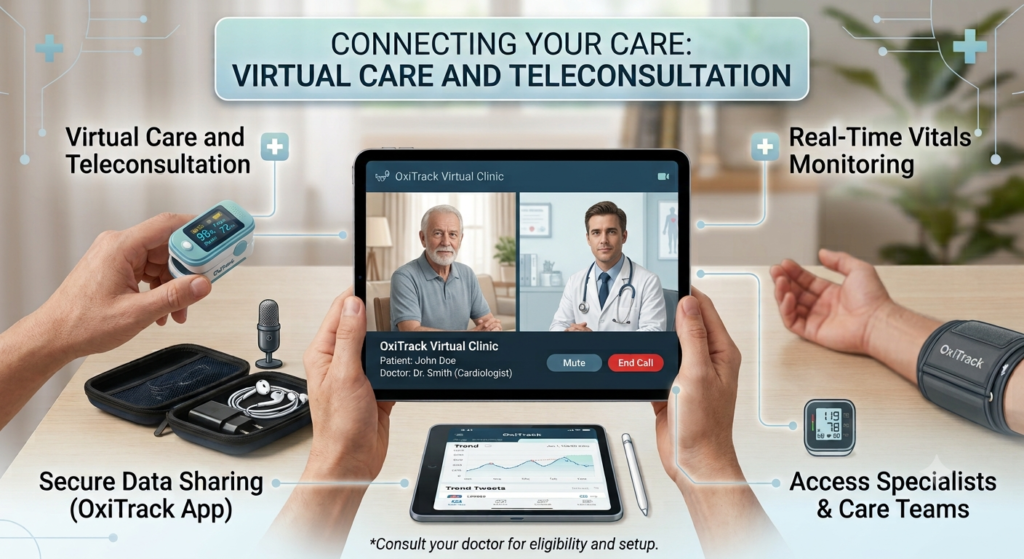
Virtual care is the use of digital communication to support healthcare when the patient and clinician are not in the same room. For seniors, this can include video visits, phone consultations, remote symptom reviews, medication discussions, follow-up appointments, caregiver conferences, care plan updates, and monitoring-based check-ins.
Teleconsultation is the clinical conversation itself. It may be a scheduled video appointment with a physician, a nurse-led follow-up call, a medication review with a pharmacist, a mental health session, or a specialist consultation arranged through a digital platform.
Virtual care is the broader system. Teleconsultation is one of its most important actions.
The best senior telehealth programs do not treat virtual visits as isolated appointments. They use them as part of a larger medical rhythm: assess, monitor, adjust, educate, document, and follow up. That rhythm is especially important in aging care because older adults often have overlapping needs: chronic disease, mobility changes, caregiver support, medication complexity, nutrition concerns, cognitive changes, fall risk, and emotional health.
For a complete view of how this fits into the larger care model, see the Geriatric Telemedicine center.
What Is Virtual Care For?
Virtual care for seniors is designed to solve one central problem: too many important health issues worsen between appointments.
An older adult may feel dizzy after a new blood pressure medication. A caregiver may notice more confusion after a sleep disruption. A person with heart failure may gain weight over several days but avoid calling the clinic until breathing becomes difficult. A senior with diabetes may have glucose readings that are not dangerous yet, but the pattern is moving in the wrong direction.
Virtual care creates earlier clinical contact.
It is especially useful for:
| Use Case | Why Virtual Care Helps |
|---|---|
| Routine follow-up | Reduces unnecessary travel for conversations that do not require hands-on examination |
| Chronic disease check-ins | Allows clinicians to review symptoms, readings, medication response, and warning signs |
| Medication questions | Helps catch side effects, duplicate therapies, missed doses, or confusion |
| Caregiver guidance | Lets family members participate even if they live elsewhere |
| Post-hospital follow-up | Supports recovery after discharge and reduces gaps in care instructions |
| Behavioral health | Makes access easier for seniors who may avoid office visits due to mobility, stigma, or transportation |
| Specialist input | Helps connect older adults to expertise without long-distance travel |
| Home care coordination | Aligns nurses, caregivers, physicians, and family around the same care plan |
Virtual care is not meant to replace every office visit. It is meant to prevent the wrong visit from being delayed and the unnecessary visit from becoming a burden.
Who Needs Elderly Telehealth Services the Most?
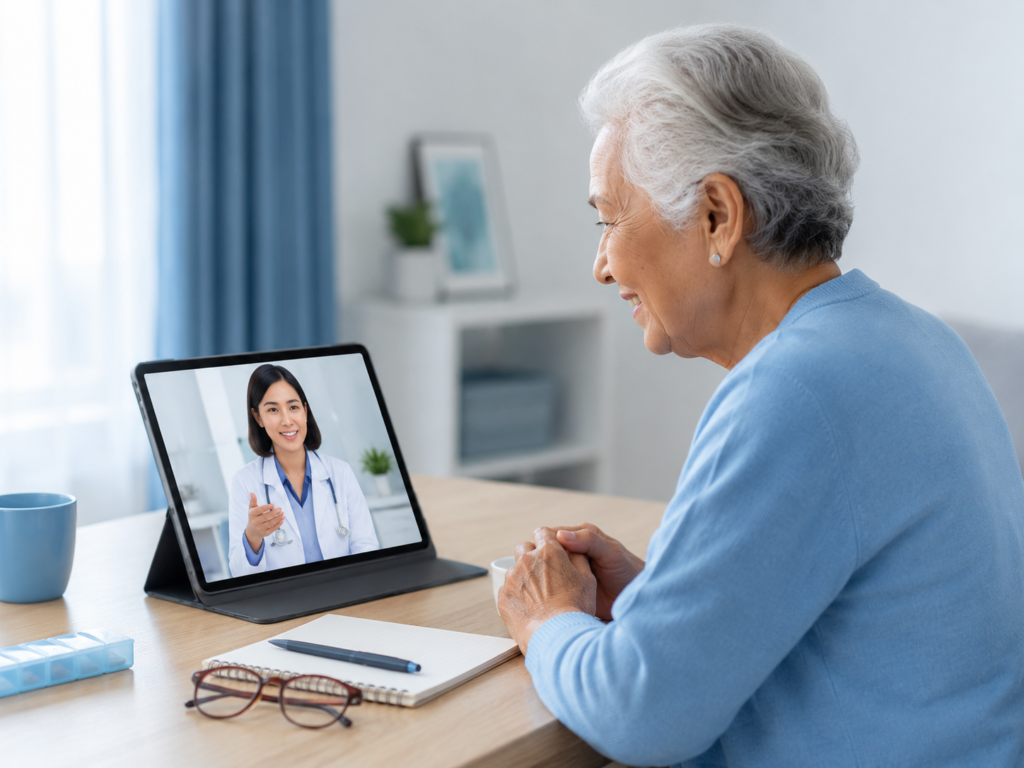
Elderly telehealth services can help many older adults, but they are especially valuable when health needs are frequent, transportation is difficult, or family coordination is complicated.
Seniors With Chronic Conditions
Older adults living with hypertension, diabetes, COPD, heart failure, arthritis, kidney disease, or post-stroke limitations often need repeated follow-up. These conditions are not managed only during annual appointments. They require small adjustments over time.
Virtual care helps clinicians see the trend, not just the snapshot.
Seniors With Mobility Challenges
A clinic visit can be physically exhausting for a person with frailty, joint pain, balance problems, oxygen dependence, wheelchair use, or fall risk. Teleconsultation can reduce travel strain when the purpose of the visit is discussion, education, follow-up, medication review, or care planning.
Seniors Taking Multiple Medications
Polypharmacy is one of the most underrecognized problems in older adult care. A senior may take prescriptions from several clinicians, plus over-the-counter products, supplements, pain relievers, sleep aids, or herbal products. Virtual medication review can help identify conflicts, duplication, timing errors, and side effects.
Families Managing Care From a Distance
Adult children often coordinate care while living in another city or country. Virtual visits allow caregivers to attend appointments, ask questions, clarify instructions, and understand care priorities without waiting for secondhand summaries.
Seniors Recently Discharged From Hospital
The period after hospital discharge is vulnerable. Medication lists change. Symptoms may fluctuate. Instructions may be misunderstood. A virtual follow-up can help identify early problems before readmission becomes more likely.
Seniors Who Need Behavioral or Cognitive Support
Teleconsultation can support mental health check-ins, memory concerns, caregiver stress, depression screening, sleep discussions, and dementia-related care planning. For some seniors, a familiar home environment may make the conversation less intimidating than a busy clinic.
How Does Telemedicine Work for Seniors?
Telemedicine for seniors works best when it follows a predictable process. The technology matters, but the workflow matters more.
Step 1: The Visit Is Matched to the Right Clinical Need
Not every concern is suitable for teleconsultation. A virtual visit may be appropriate for follow-up care, medication review, chronic disease management, symptom discussion, lab review, caregiver planning, and many behavioral health needs.
In-person care is usually better for urgent chest pain, severe shortness of breath, suspected stroke symptoms, serious injury, uncontrolled bleeding, severe dehydration, sudden weakness, or conditions requiring hands-on examination, imaging, procedures, or immediate testing.
Step 2: The Senior or Caregiver Shares Key Information
Before the appointment, the care team may ask for:
| Information | Why It Matters |
|---|---|
| Current symptoms | Helps determine urgency and clinical direction |
| Medication list | Reduces prescribing errors and duplication |
| Blood pressure readings | Supports hypertension or heart disease follow-up |
| Blood glucose readings | Helps diabetes management |
| Weight changes | Important for heart failure, nutrition, and fluid retention |
| Oxygen readings | Useful for respiratory or cardiac concerns |
| Recent falls | Signals mobility, medication, or neurological risk |
| Hospital discharge papers | Clarifies recent diagnoses and treatment changes |
| Questions from family | Keeps the visit focused and practical |
Step 3: The Visit Happens by Video or Phone
A video visit allows the clinician to observe breathing effort, alertness, facial expression, movement, skin appearance, tremor, posture, and caregiver interaction. Phone visits can still be useful when video access is difficult, especially for medication questions, follow-up conversations, behavioral health support, or care coordination.
The strongest virtual visits feel less like a rushed call and more like a structured clinical interview.
Step 4: The Clinician Updates the Care Plan
A good teleconsultation should end with clear next steps. These may include medication changes, lab orders, home monitoring instructions, therapy referrals, caregiver tasks, warning signs, follow-up timing, or a recommendation for in-person care.
Step 5: Follow-Up Is Scheduled Before the Problem Drifts
Senior care fails when responsibility becomes vague. Virtual care works best when the next action is specific: who will check the blood pressure, when the readings should be sent, which symptom requires a call, when the next appointment happens, and what should trigger urgent care.
Benefits of a Virtual Doctor Visit
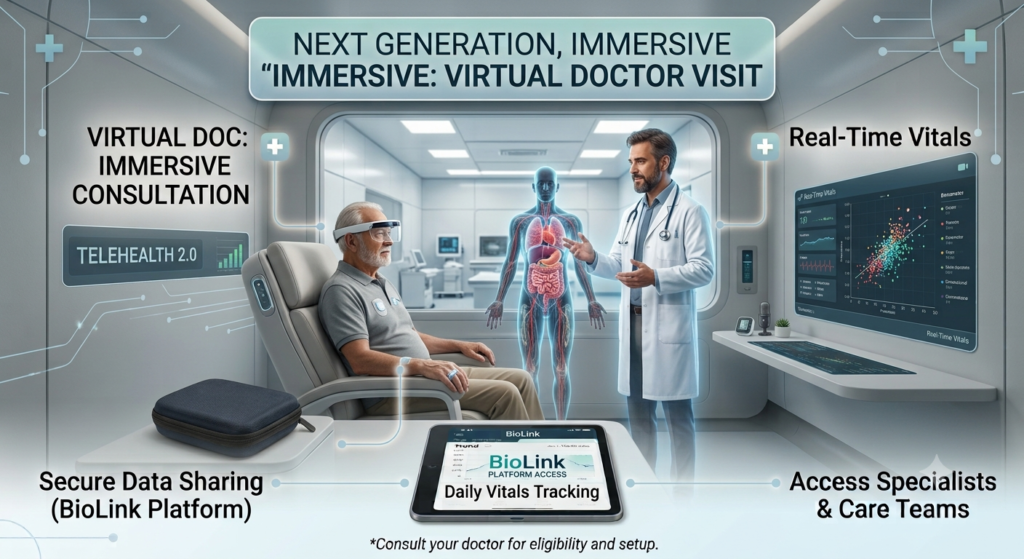
Virtual doctor visits for seniors offer more than convenience. Their value comes from making care easier to access, easier to coordinate, and easier to repeat.
1. Less Travel Burden
Transportation is not a small issue in senior healthcare. It affects appointment attendance, caregiver time, fatigue, fall risk, and willingness to seek help early. When appropriate visits move online, the older adult can conserve energy for recovery rather than travel.
2. Faster Clinical Touchpoints
Some health concerns do not need an emergency visit, but they should not wait months. Teleconsultation gives families a middle path: faster than traditional scheduling, more clinical than internet searching, and more organized than guessing.
3. Better Caregiver Involvement
Caregivers often know what happens at home: missed meals, confusion, poor sleep, dizziness, medication mistakes, falls, or mood changes. A virtual visit can bring that information into the clinical conversation.
4. Stronger Chronic Disease Management
Chronic conditions change gradually. Virtual follow-up allows clinicians to respond to patterns: blood pressure rising over two weeks, glucose fluctuating after diet changes, oxygen dipping during activity, swelling increasing after medication adjustments.
5. Safer Medication Oversight
Medication problems often appear as vague symptoms: dizziness, fatigue, confusion, constipation, falls, appetite loss, or sleep disruption. A virtual review can connect the symptom to the medication list before the issue becomes serious.
6. Better Post-Hospital Continuity
A hospital discharge can leave families overwhelmed. Telehealth follow-up can clarify medication changes, red flags, wound care instructions, rehabilitation needs, and next appointments.
7. More Comfortable Behavioral Health Access
Older adults may be more willing to discuss anxiety, grief, sleep, depression, caregiver stress, or memory concerns from home. For many families, virtual behavioral health is one of the most practical uses of telemedicine.
Telehealth vs In-Person Doctor Visits for Seniors
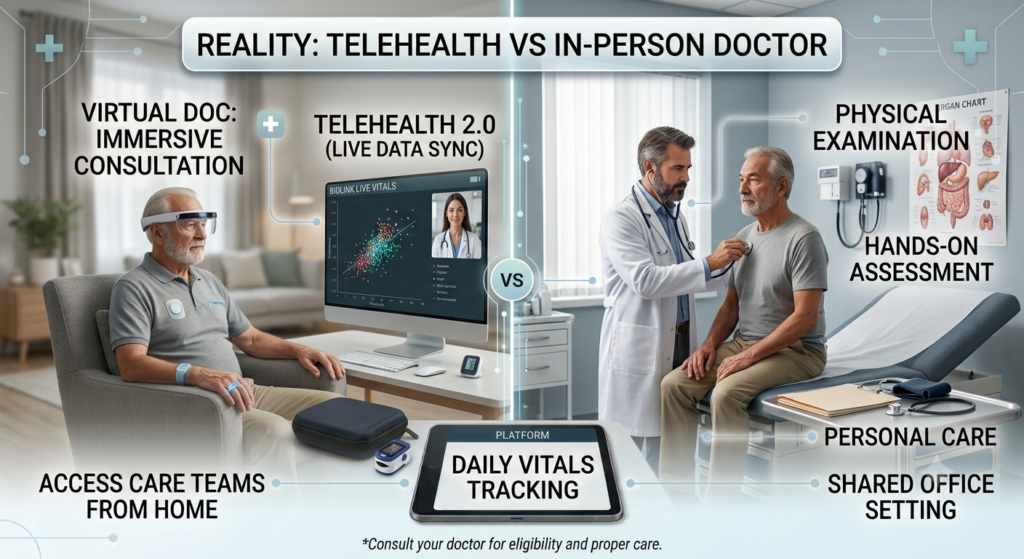
The right question is not whether telehealth is better than in-person care. The right question is which care setting fits the clinical task.
| Care Need | Telehealth Usually Works Well | In-Person Care Usually Works Better |
|---|---|---|
| Medication review | Yes | Sometimes, if exam or labs are needed |
| Blood pressure follow-up | Yes, with accurate home readings | Yes, if readings are unreliable or symptoms are severe |
| Diabetes check-in | Yes, with glucose logs | Yes, if complications need examination |
| New severe pain | Sometimes for triage | Often better in person |
| Chest pain | No, urgent evaluation needed | Emergency care |
| Routine lab review | Yes | Not always necessary |
| Wound evaluation | Sometimes by video | Better if wound is worsening or needs treatment |
| Cognitive concerns | Useful for caregiver interview | In-person testing may be needed |
| Falls | Useful for history and medication review | In-person exam often needed |
| Mental health | Often very useful | In-person if safety risk or complex assessment |
| Post-hospital questions | Yes | In-person if unstable symptoms appear |
The strongest senior care model is hybrid. Virtual care handles the frequent conversations, monitoring, reviews, and follow-ups. In-person care handles physical examination, procedures, imaging, urgent evaluation, and complex diagnostic work.
How to Prepare Elderly Patients for Teleconsultation
Preparation can determine whether a telehealth visit feels smooth or frustrating. Seniors should not be expected to manage every technical and medical detail alone, especially during the first few visits.
Before the Visit
Use this checklist:
| Preparation Step | Why It Helps |
|---|---|
| Test the phone, tablet, or computer | Avoids wasting appointment time |
| Charge the device | Prevents disconnection |
| Use a quiet, well-lit room | Helps communication and observation |
| Keep medications nearby | Allows accurate review |
| Prepare recent readings | Blood pressure, glucose, oxygen, weight, or temperature |
| Write down symptoms | Keeps the conversation focused |
| Invite a caregiver if needed | Improves accuracy and follow-through |
| Keep pharmacy details ready | Helps medication changes |
| Have emergency contacts available | Useful if urgent concern appears |
| Confirm the visit link or phone number | Reduces confusion at the appointment time |
During the Visit
The senior or caregiver should describe the main concern first. A simple structure works best:
“I am calling because…”
“This started…”
“It is getting better, worse, or staying the same…”
“These readings changed…”
“These medications changed…”
“My biggest question today is…”
This approach prevents the visit from becoming scattered. It gives the clinician a clear path through symptoms, risks, and decisions.
After the Visit
A virtual appointment should produce a written or clearly understood plan. The family should know:
| Question | Why It Matters |
|---|---|
| What changed today? | Avoids confusion |
| Which medication should be started, stopped, or adjusted? | Prevents mistakes |
| What readings should be tracked? | Supports follow-up |
| What symptoms require urgent care? | Reduces dangerous delays |
| When is the next check-in? | Keeps continuity |
| Who should be contacted if symptoms change? | Prevents uncertainty |
Medication Review Via Telehealth
Medication review via telehealth is one of the highest-value uses of geriatric virtual care. Many older adults are not harmed by one obvious mistake. They are harmed by a slow accumulation of small medication problems.
A senior may take a blood pressure pill in the morning, a diuretic later, a sleep aid at night, pain medication as needed, supplements after meals, and an over-the-counter antihistamine for allergies. Each item may seem reasonable alone. Together, they may increase dizziness, confusion, constipation, dehydration, falls, or fatigue.
What a Virtual Medication Review Should Include
| Review Area | What the Clinician Looks For |
|---|---|
| Prescription list | Current medicines, dose, timing, and reason |
| Duplicate therapy | Two drugs doing similar things |
| Side effects | Dizziness, fatigue, confusion, appetite changes, constipation |
| Interaction risk | Medicines that may not work well together |
| Adherence | Missed doses, double doses, cost barriers, swallowing problems |
| Over-the-counter products | Sleep aids, pain relievers, allergy medicine, antacids |
| Supplements | Products that may affect bleeding, sedation, blood pressure, or glucose |
| Pharmacy coordination | Refill problems or conflicting instructions |
| Deprescribing opportunities | Medicines that may no longer be needed |
Why Telehealth Works Well for Medication Review
A virtual visit lets the senior show actual bottles, pill organizers, supplement containers, and discharge papers from home. This can be more revealing than a clinic visit where the person tries to remember names from memory.
For seniors, medication safety is not only about what is prescribed. It is about what is actually being taken.
Follow-Up Care for Chronic Elderly Patients
Follow-up care is where virtual care becomes especially powerful. Chronic conditions are not managed by a single appointment. They require repeated interpretation.
Hypertension
Virtual follow-up can review home blood pressure readings, medication timing, dizziness, swelling, salt intake, missed doses, and whether readings are higher at certain times of day.
Diabetes
Teleconsultation can help review glucose logs, hypoglycemia symptoms, diet changes, medication adherence, foot concerns, vision changes, kidney-related labs, and caregiver support.
Heart Failure
Virtual care can track weight changes, shortness of breath, swelling, fatigue, medication response, fluid intake, and warning signs that may require urgent evaluation.
COPD and Respiratory Conditions
A video visit can help assess breathing patterns, inhaler use, oxygen readings, cough changes, sleep disruption, and whether symptoms suggest infection or worsening disease.
Arthritis and Mobility Limitations
Virtual care can review pain patterns, function, physical therapy progress, fall risk, home safety issues, medication side effects, and whether mobility devices need adjustment.
Cognitive Decline and Dementia
Teleconsultation can be valuable for caregiver interviews, behavior changes, sleep issues, medication review, wandering risk, nutrition concerns, and planning for safety at home.
Where Remote Monitoring and Telemedicine Devices Fit
Virtual care becomes stronger when the clinician can review reliable home data. A conversation is useful. A conversation plus trends is better.
Remote monitoring may include blood pressure cuffs, glucometers, pulse oximeters, smart scales, ECG devices, wearable trackers, medication dispensers, fall detection tools, and caregiver monitoring systems. These tools can help clinicians distinguish between a one-day concern and a developing pattern.
For device categories that support home-based senior care, see Telemedicine Devices.
Device Data That Can Improve a Senior Teleconsultation
| Device or Reading | Useful For | Important Note |
|---|---|---|
| Blood pressure monitor | Hypertension, dizziness, medication adjustment | Cuff size and technique matter |
| Glucometer | Diabetes management | Logs should include timing around meals |
| Pulse oximeter | COPD, respiratory illness, oxygen therapy | Readings should be interpreted with symptoms |
| Smart scale | Heart failure, nutrition, fluid changes | Sudden weight gain may matter clinically |
| Thermometer | Infection concerns | Fever patterns matter more than one reading |
| ECG device | Palpitations or rhythm concerns | Not a replacement for emergency care |
| Medication dispenser | Missed doses, caregiver oversight | Best when paired with review and reminders |
| Fall detection device | Mobility risk | Does not replace home safety planning |
The goal is not to fill the home with gadgets. The goal is to collect the right information for the right care decision.
The Senior Virtual Care Framework
A strong senior teleconsultation program should answer five questions.
1. Is This Visit Clinically Suitable for Virtual Care?
A virtual visit is appropriate when the main need is discussion, review, education, monitoring, medication adjustment, behavioral health support, or care planning. It is not appropriate for emergencies or conditions needing immediate hands-on assessment.
2. Is the Older Adult Supported Technically?
The technology should fit the person, not the other way around. Large screens, simple links, caregiver participation, phone backup, and clear instructions matter more than advanced features.
3. Is the Information Accurate?
Medication lists, home readings, symptom timelines, and caregiver observations must be reliable. A telehealth visit built on vague information can lead to weak decisions.
4. Is the Care Plan Clear?
The senior and caregiver should leave the visit knowing what changed, what to monitor, what to avoid, and when to seek urgent help.
5. Is Follow-Up Built Into the Process?
Virtual care fails when it becomes a one-time conversation. It works when there is a defined next step.
Virtual Care Roles: Who May Be Involved?
Senior telehealth is often team-based. Different professionals may support different parts of care.
| Role | Common Virtual Care Contribution |
|---|---|
| Primary care clinician | General assessment, chronic disease follow-up, referrals |
| Geriatrician | Complex aging-related care, frailty, cognition, medication burden |
| Nurse | Symptom check-ins, education, monitoring review, triage |
| Pharmacist | Medication review, interactions, adherence, deprescribing support |
| Specialist | Focused consultation for heart, lung, kidney, neurological, or endocrine concerns |
| Behavioral health clinician | Depression, anxiety, grief, sleep, caregiver stress |
| Physical therapist | Mobility review, exercise guidance, fall prevention |
| Dietitian | Nutrition planning, weight loss, appetite concerns, diabetes diet |
| Care coordinator | Scheduling, referrals, follow-up, caregiver communication |
The advantage of virtual care is that it can make this team easier to access. The challenge is coordination. Without a shared plan, virtual care can become fragmented. With structure, it becomes a powerful support system.
Common Problems Virtual Care Can Solve
“My parent keeps missing appointments.”
Teleconsultation can reduce transportation barriers and make appointments easier to attend.
“We never know which symptoms are serious.”
Virtual triage can help families understand what can be monitored, what needs a scheduled visit, and what requires urgent care.
“Medication instructions changed after the hospital.”
A virtual medication reconciliation can compare the old list, discharge list, pharmacy list, and what the senior is actually taking.
“The doctor does not hear what happens at home.”
Virtual visits can include caregivers who observe daily changes in sleep, appetite, mood, mobility, and memory.
“The condition is stable, but follow-up is still needed.”
Telehealth works well for stable chronic disease check-ins when recent readings and symptoms are available.
Limitations of Teleconsultation for Elderly Patients
Virtual care is useful, but it should not be romanticized. Good senior care requires honesty about limitations.
Physical Exam Limits
A clinician cannot fully examine the heart, lungs, abdomen, joints, wounds, balance, reflexes, or neurological function through a screen. Some visual clues can help, but they are not the same as a hands-on exam.
Technology Friction
Some seniors may struggle with links, passwords, camera settings, hearing limitations, vision impairment, or device anxiety. The solution is not to abandon telehealth. The solution is to simplify it.
Data Quality Problems
Home readings can be inaccurate if devices are poorly fitted, used incorrectly, or not maintained. A blood pressure cuff with the wrong size can mislead care decisions.
Privacy Concerns
Seniors should have a private setting when discussing medications, mental health, finances, family stress, memory issues, or sensitive symptoms.
Emergency Risk
Telehealth should never delay emergency care. Sudden chest pain, stroke symptoms, severe shortness of breath, fainting, major injury, uncontrolled bleeding, severe confusion, or signs of sepsis need urgent medical attention.
Upcoming Trends and Latest Tech in Virtual Care for Seniors
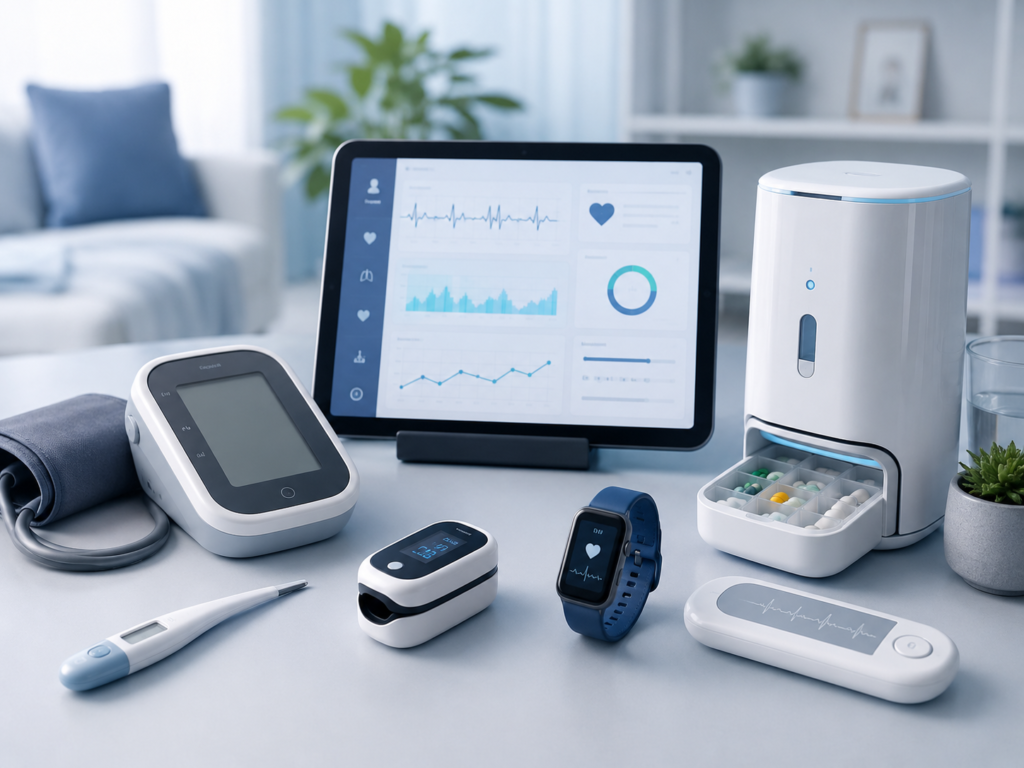
Virtual care is moving from simple video visits toward more intelligent, connected, and home-based systems. The next wave is not about replacing clinicians. It is about giving care teams better timing, better context, and better continuity.
1. Hybrid Care Pathways
The future is not “online only.” It is hybrid. Seniors may receive routine follow-up virtually, in-person exams when needed, home readings through connected devices, and caregiver updates through digital care plans.
2. Smarter Remote Monitoring
Devices are becoming easier to use, more connected, and more useful for trend detection. The most valuable systems will not simply collect readings. They will help identify meaningful changes and bring them to the care team at the right time.
3. Hospital-at-Home Support
More healthcare systems are exploring ways to manage certain conditions at home with remote monitoring, nurse visits, virtual physician oversight, medication support, and escalation plans. This is especially relevant for older adults who may experience hospital-related confusion, sleep disruption, or deconditioning.
4. Virtual Medication Management
Medication platforms are likely to become more integrated with pharmacy records, refill alerts, caregiver notifications, and adverse-effect screening. For seniors, this may become one of the most practical safety improvements.
5. Caregiver-Facing Dashboards
Families do not need raw medical complexity. They need clear signals: what changed, what matters, what to do next, and when to call for help. Senior virtual care will increasingly include caregiver-friendly summaries and action plans.
6. Voice-Based Access
Some older adults find tablets and portals difficult. Voice-based systems may help with reminders, symptom reporting, appointment access, medication prompts, and caregiver alerts.
7. More Specialized Teleconsultation
Geriatric psychiatry, dementia support, chronic disease coaching, rehabilitation follow-up, nutrition counseling, palliative care conversations, and caregiver training are all suited to structured virtual delivery when the clinical need is appropriate.
Practical Decision Guide: Is Virtual Care Right for This Situation?
Use this simple framework.
| Situation | Virtual Visit | In-Person Visit | Urgent or Emergency Care |
|---|---|---|---|
| Routine medication question | Strong fit | Sometimes | No |
| Stable blood pressure follow-up | Strong fit | Sometimes | No |
| Diabetes log review | Strong fit | Sometimes | No |
| New mild rash | Possible | Often better | No, unless severe symptoms |
| Fall without injury | Possible for guidance | Often needed | If head injury, severe pain, confusion, or weakness |
| Chest pain | No | No | Yes |
| Severe breathing trouble | No | No | Yes |
| New confusion | Sometimes for triage | Often needed | Yes, if sudden or severe |
| Lab result discussion | Strong fit | Sometimes | Rarely |
| Post-hospital discharge review | Strong fit | Sometimes | If symptoms worsen |
Virtual care is safest when families understand its boundaries.
Editorial Insights
Virtual care for seniors should not be judged by how futuristic it looks. It should be judged by whether it makes care safer, clearer, and easier to act on.
The best teleconsultation is not a casual video call. It is a clinical checkpoint. It gathers the right information, includes the right people, answers the right questions, and creates the next step before the family leaves the visit.
For older adults, the most important medical problems often begin quietly. A small medication side effect. A few missed meals. A blood pressure pattern that changes slowly. A caregiver noticing confusion but not knowing whether it matters. A virtual care system gives these small signals a place to go.
That is the promise of senior telehealth: not less medicine, but better-timed medicine.
FAQs About Elderly Telehealth Services
What are the best elderly telehealth services for seniors with chronic conditions?
The best elderly telehealth services for chronic conditions usually include virtual doctor visits, nurse follow-ups, medication review, remote monitoring support, caregiver communication, and clear escalation plans. For example, a senior with heart failure may need weight tracking, blood pressure review, symptom check-ins, medication adjustment, and instructions for when swelling or breathing changes require urgent care. A senior with diabetes may need glucose review, nutrition guidance, medication discussion, and foot-care reminders. The strongest services are not just video appointments. They combine clinical oversight, home data, and follow-up structure.
Are virtual doctor visits for seniors safe for medication review?
Virtual doctor visits can be very useful for medication review when the senior or caregiver has the medication bottles, supplement containers, pharmacy list, and discharge paperwork available during the appointment. A clinician can review dosage, timing, duplicate therapies, possible side effects, and whether a symptom may be related to a medication change. Telehealth is especially helpful because the review happens where the medications are actually stored and used. However, medication changes should always be handled by a licensed clinician, and urgent symptoms such as fainting, severe allergic reaction, or sudden confusion may require immediate care.
How does telemedicine work for seniors who are not comfortable with technology?
Telemedicine can still work for seniors who are not confident with technology if the visit is designed simply. A caregiver can help connect the device, test the camera, keep the medication list nearby, and take notes. Some visits may also happen by phone when video is not practical. The key is to reduce steps: one clear link, a charged device, a quiet room, and a backup phone number. Many older adults become more comfortable after the first or second visit when the process feels familiar.
What should caregivers prepare before a teleconsultation for elderly patients?
Caregivers should prepare a current medication list, recent blood pressure or glucose readings, oxygen levels if relevant, weight changes, recent falls, hospital discharge instructions, symptom timelines, and the senior’s main questions. It helps to write down what has changed at home: appetite, sleep, mood, confusion, pain, mobility, bathroom habits, or missed doses. A caregiver should also confirm the visit link, test the device, and sit close enough to assist without taking over the senior’s voice.
Can telehealth replace in-person doctor visits for older adults?
Telehealth should not replace all in-person doctor visits for older adults. It is best used for follow-up care, medication review, chronic disease check-ins, lab discussions, behavioral health, caregiver conferences, and care planning. In-person visits remain important for physical examination, diagnostic testing, procedures, imaging, vaccinations, wound care, and urgent symptoms. The best model is usually hybrid: virtual care for frequent coordination and in-person care when hands-on evaluation is needed.
What conditions can be managed through virtual care for seniors?
Virtual care can support many senior health needs, including hypertension, diabetes, heart failure follow-up, COPD check-ins, arthritis management, medication side effects, post-hospital discharge questions, mental health support, sleep concerns, nutrition guidance, and caregiver planning. It is not ideal for emergencies or symptoms that require immediate physical examination. The safest approach is to use telehealth for structured follow-up and early guidance, while keeping urgent care available for serious changes.
What are the biggest benefits of teleconsultation for elderly patients living alone?
For elderly patients living alone, teleconsultation can reduce isolation in care decisions. It gives the senior easier access to medical guidance, allows distant family members to join visits, supports medication review, and helps identify early warning signs. It can also reduce missed appointments caused by transportation problems. The greatest benefit is continuity. A senior living alone may not report small changes quickly, but regular virtual check-ins create more opportunities to catch problems before they escalate.
People Also Ask About Virtual Care and Teleconsultation
How do virtual doctor visits for seniors help after hospital discharge?
Virtual doctor visits after hospital discharge help clarify medication changes, review symptoms, check whether follow-up appointments are scheduled, and identify early warning signs. Many older adults leave the hospital with new instructions, new prescriptions, and new restrictions. A telehealth visit can bring the senior, caregiver, and clinician together while the discharge papers and medications are available at home. This can reduce confusion and improve recovery planning.
Is teleconsultation for elderly patients good for dementia care?
Teleconsultation can be useful in dementia care, especially when caregivers need guidance about behavior changes, sleep problems, medication concerns, safety risks, wandering, nutrition, or home routines. A virtual visit also allows the clinician to hear directly from the caregiver, who may observe changes the senior cannot fully explain. In-person assessment may still be needed for diagnosis, neurological examination, or complex changes, but telehealth can support ongoing care planning.
What devices are needed for elderly telehealth services at home?
The basic requirement is usually a phone, tablet, or computer with audio access. Video is helpful but not always required. Depending on the condition, useful home tools may include a blood pressure monitor, glucometer, pulse oximeter, thermometer, smart scale, medication organizer, or fall detection device. The best device is not the most advanced one. It is the one the senior can use correctly and consistently.
When should seniors avoid telehealth and seek in-person care?
Seniors should avoid relying on telehealth alone when symptoms suggest an emergency or require hands-on evaluation. Chest pain, stroke-like symptoms, severe breathing difficulty, fainting, major injury, uncontrolled bleeding, sudden severe confusion, or rapidly worsening weakness require urgent medical attention. Telehealth can help with triage in uncertain cases, but it should never delay emergency care when serious symptoms appear.
How can families make telehealth easier for elderly parents?
Families can make telehealth easier by setting up the device ahead of time, testing the internet connection, writing questions in advance, organizing medications, preparing recent readings, and joining the appointment when appropriate. It also helps to choose a quiet room with good lighting and minimal distractions. After the visit, a caregiver should write down the plan in simple steps: what changed, what to monitor, and when to follow up.
Are phone visits useful if a senior cannot use video?
Phone visits can still be useful for many senior care needs, including medication questions, lab review, follow-up planning, behavioral health support, caregiver guidance, and chronic condition check-ins. Video adds visual information, but a well-structured phone visit can still provide meaningful clinical support. If symptoms require visual inspection or physical examination, the clinician may recommend video, in-person care, or urgent evaluation.
What is the future of virtual care for older adults?
The future of virtual care for older adults will likely be hybrid, home-centered, and more connected. Seniors will use virtual visits for routine follow-up, in-person care for exams and procedures, remote monitoring for key readings, and caregiver dashboards for clearer communication. The most important progress will not be more technology for its own sake. It will be better timing, simpler access, safer medication management, and stronger coordination between clinicians, seniors, and families.