
Cognitive & Brain Supplements for Aging Brains: Evidence-Based Geronutrition Strategy
Updated on June, 2026.
Affiliate Disclosure
Some links on this page may be affiliate links, meaning a commission may be earned at no additional cost to you. This supports ongoing research, testing and content development.
Cognitive and brain supplements for seniors—often referred to as nootropics—are biologically active compounds formulated to support neural efficiency, structural integrity, and long-term cognitive resilience. Within the framework of geronutrition, they are not positioned as quick enhancers, but as targeted interventions against the physiological processes of brain aging.
As the brain ages, several interconnected mechanisms begin to decline: synaptic density reduces, neuroinflammation increases, mitochondrial energy production weakens, and vascular efficiency drops. These shifts manifest clinically as memory lapses, slower processing speed, reduced focus and progressive neurodegeneration.
Cognitive supplements are designed to intervene across these pathways—either by stabilizing neuronal structures, enhancing signaling efficiency or correcting underlying biochemical deficiencies that accelerate decline.
Functional Classification of Cognitive Supplements
To build a structured and effective cognitive protocol, these Brain supplements for seniors are typically categorized into three core functional layers:
1. Neuroprotective Compounds (Degeneration Control)
These target oxidative stress, inflammation, and neuronal damage—key drivers of cognitive decline.
Examples: Omega-3 (DHA/EPA), Lion’s Mane Mushroom
2. Neuroenhancers (Cognitive Performance Optimization)
These improve functional aspects such as memory formation, focus, learning speed, and mental clarity by modulating neurotransmitters and synaptic activity.
Examples: Bacopa Monnieri, Rhodiola Rosea
3. Nutritional Correctors (Biochemical Foundation Layer)
These address deficiencies that directly impair brain function, often reversing subtle but impactful cognitive decline.
Examples: Vitamin B Complex (B6, B9, B12)
Gero-Strategy
Rather than acting in isolation, these categories are most effective when layered into a multi-pathway cognitive system—where structural support, functional enhancement and metabolic correction work in synchrony.
This systems-level approach is central to modern geriatric care models, where supplementation is increasingly integrated with telemedicine, biomarker tracking and personalized nutrition protocols.
Explore how these strategies are implemented in real-world clinical frameworks at TeleGeriatric.
Quick Picks
- Best for memory decline → Bacopa Monnieri
- Best for overall brain aging → Omega-3 (DHA/EPA)
- Best for focus & clarity → Rhodiola Rosea
- Best for neuroprotection → Lion’s Mane Mushroom
- Best for mood + cognition → Ginkgo Biloba
- Best for deficiency correction → Vitamin B Complex
Who Needs Cognitive & Brain Supplements?
Cognitive and brain health supplements are increasingly discussed in geriatric nutrition, neuro-supportive care, and preventive cognitive health strategies. While they are not medical treatments, they are often used as part of a broader brain health support plan, especially in populations at risk of cognitive decline.
Adults aged 50+ experiencing memory lapses
One of the most common groups considering brain health supplements for adults over 50 includes individuals noticing early signs such as forgetfulness, reduced recall speed, or difficulty concentrating.
These changes may be linked to natural aging, reduced neurotransmitter activity, or lower nutrient absorption.
Typical supportive nutrients often discussed include:
- Omega-3 fatty acids (DHA/EPA)
- Vitamin B12 and B-complex vitamins
- Ginkgo biloba (for cerebral circulation support)
- Phosphatidylserine (neuronal membrane support)
This group often searches for:
- “best brain supplements for memory loss after 50”
- “how to improve cognitive function naturally in older adults”
- “supplements for age-related memory decline”
Individuals with family history of dementia
People with a genetic or familial predisposition to dementia or Alzheimer’s disease often adopt early preventive lifestyle strategies. While supplements cannot prevent neurodegenerative disease, they are frequently included in neuroprotective wellness routines.
Key focus areas in this group include:
- Long-term brain inflammation reduction
- Vascular brain health support
- Antioxidant protection against oxidative stress
This category overlaps strongly with preventive geriatric neurology nutrition.
Patients with mild cognitive impairment (MCI)
Individuals diagnosed with Mild Cognitive Impairment (MCI) represent a clinically important group. MCI is often considered an intermediate stage between normal aging and dementia.
Supplement strategies in this group typically focus on:
- Supporting acetylcholine production (memory neurotransmitter)
- Improving mitochondrial energy metabolism in neurons
- Enhancing cerebral blood flow and oxygen delivery
Common search intent includes:
- “best supplements for mild cognitive impairment support”
- “can supplements slow MCI progression naturally”
Seniors with nutritional deficiencies (B12, Omega-3)
Nutritional deficiencies are one of the most overlooked contributors to cognitive decline in older adults.
Deficiencies in:
- Vitamin B12 → linked to memory problems, confusion, fatigue
- Omega-3 fatty acids → associated with reduced brain plasticity and mood instability
- Vitamin D & folate → implicated in cognitive slowing and depression-related symptoms
Correcting these deficiencies is often a foundational step in geriatric cognitive optimization.
This also connects closely with systemic health domains like 👉 Musculoskeletal Nutrition, since many of the same nutrients (Vitamin D, magnesium, protein) support both brain function and musculoskeletal integrity.
High-stress individuals facing cognitive fatigue
Chronic stress significantly impacts cognitive performance. Individuals exposed to prolonged psychological or occupational stress often report:
- Mental fatigue
- Reduced focus and attention span
- “Brain fog” episodes
- Poor working memory
This group includes professionals, caregivers, and individuals with burnout-related symptoms.
Adaptogenic compounds (like Rhodiola rosea and Ashwagandha) and B-complex vitamins are often discussed in stress-related cognitive support protocols.
Post-stroke or neuro-recovery patients
Post-stroke recovery and neurological rehabilitation often involve cognitive rebuilding strategies.
While medical treatment remains primary, nutritional support may assist with:
- Neural repair mechanisms
- Synaptic plasticity enhancement
- Reduction of post-ischemic oxidative stress
This group typically requires clinically supervised supplementation rather than self-directed use.
Conditions Treated / Supported
Brain supplements do not “treat” neurological diseases, but they may support cognitive resilience, mental clarity, and neurological health when used alongside medical care and lifestyle interventions.
Age-related cognitive decline
A natural reduction in processing speed, recall ability, and attention is common with aging. Supplements may support:
- Neuronal membrane integrity
- Neurotransmitter balance
- Mitochondrial energy production
Search intent examples:
- “how to slow age-related memory decline naturally”
- “best supplements for aging brain health”
Mild Cognitive Impairment (MCI)
In MCI, cognitive symptoms are measurable but not yet disabling. Support strategies often focus on:
- Enhancing cerebral circulation
- Supporting synaptic communication
- Reducing oxidative neuronal damage
This stage is considered a key intervention window in preventive geriatric neurology.
Early-stage dementia support
In early-stage dementia, supplements are sometimes used as adjunctive support to medical therapy. The goal is not reversal, but functional support in:
- Memory retention assistance
- Mood stabilization support
- Neuroinflammation reduction strategies
Clinical supervision is strongly recommended in this group.
Brain fog and reduced mental clarity
“Brain fog” is a non-medical but widely reported symptom associated with:
- Poor sleep
- Nutritional deficiencies
- Chronic inflammation
- Hormonal imbalance
- Stress overload
Supplement support often targets:
- Energy metabolism in brain cells
- Neurotransmitter synthesis
- Blood flow optimization
Stress-induced cognitive fatigue
Prolonged stress can impair cognitive performance by elevating cortisol levels and disrupting sleep cycles.
Supportive strategies may include:
- Adaptogens for stress modulation
- Magnesium and B-vitamin support
- Sleep-quality enhancing nutrients
Depression-related cognitive slowing
Depression is often associated with:
- Reduced concentration
- Slower thinking
- Memory impairment
While supplements are not a replacement for therapy or medication, nutrients like omega-3 fatty acids, folate, and vitamin D are frequently studied for their supportive role in mood and cognitive function interaction.
Interconnected Nutritional Systems
Cognitive health does not exist in isolation. Brain function is deeply linked with cardiovascular efficiency, metabolic balance, and systemic inflammation.
This is why cognitive nutrition is often discussed alongside 👉 Cardiometabolic Nutrition — because glucose regulation, lipid metabolism, and vascular health directly influence brain oxygenation and long-term cognitive performance.
Together, these systems form a tri-domain framework of geriatric wellness: brain–heart–muscle integration.
Types of Cognitive Supplements
1. Omega-3 (DHA/EPA): Advanced Neurobiological Role in Cognitive Aging

What It is
Omega-3 fatty acids—primarily docosahexaenoic acid (DHA) and eicosapentaenoic acid (EPA)—are long-chain polyunsaturated fatty acids with distinct but complementary roles in the central nervous system.
- DHA constitutes up to 30–40% of phospholipid fatty acids in the cerebral cortex and is highly concentrated in synaptic membranes and photoreceptors.
- EPA, while present in smaller quantities in brain tissue, acts as a systemic and central anti-inflammatory modulator, influencing neuroimmune signaling pathways.
Unlike many nutrients, DHA is not simply supportive—it is structural, meaning neuronal membranes literally depend on its presence to maintain integrity, fluidity, and function.
Mechanisms of Action
1. Synaptic Membrane Fluidity & Signal Transduction
DHA integrates into neuronal phospholipid bilayers, increasing membrane fluidity. This directly impacts:
- Receptor binding efficiency (e.g., NMDA, AMPA receptors)
- Ion channel function
- Neurotransmitter release dynamics
Higher membrane fluidity translates into faster and more efficient synaptic transmission, particularly in memory-critical regions like the hippocampus.

2. Neuroinflammation Modulation (EPA-Dominant Pathway)
Chronic low-grade inflammation is a defining feature of brain aging and neurodegeneration.
EPA and DHA are precursors to specialized pro-resolving mediators (SPMs):
- Resolvins
- Protectins (notably Neuroprotectin D1)
- Maresins
These molecules:
- Suppress pro-inflammatory cytokines (IL-6, TNF-α)
- Regulate microglial activation
- Promote resolution—not just suppression—of inflammation
This mechanism is critical in conditions like Alzheimer’s disease, where neuroinflammation accelerates neuronal loss.
3. Neurogenesis & Synaptic Plasticity
DHA upregulates brain-derived neurotrophic factor (BDNF), a key protein responsible for:
- Neuronal survival
- Synaptic plasticity
- Learning and memory consolidation
Higher BDNF expression is strongly correlated with improved cognitive resilience and slower age-related decline.
4. Amyloid-β and Tau Pathology Modulation
Emerging evidence suggests omega-3s influence hallmark Alzheimer’s pathology:
- Reduces amyloid-β aggregation
- Enhances clearance mechanisms via microglial phagocytosis
- Modulates tau phosphorylation pathways
While not curative, this positions DHA/EPA as disease-modifying adjuncts rather than symptomatic aids.
5. Cerebral Blood Flow & Vascular Coupling
EPA improves endothelial function by increasing nitric oxide (NO) bioavailability, leading to:
- Better cerebral perfusion
- Enhanced oxygen and glucose delivery
- Reduced vascular-related cognitive impairment
This is particularly relevant in vascular dementia and mixed dementia cases.
Clinical Outcomes & Evidence Trends
- Longitudinal cohort studies show higher plasma DHA levels correlate with larger hippocampal volume and reduced brain atrophy.
- Randomized trials indicate modest but significant improvements in episodic memory in individuals with mild cognitive impairment (MCI).
- Preventive benefits are strongest when supplementation begins before advanced neurodegeneration.
Omega-3 Benefits
Slows Cognitive Decline
By reducing neuroinflammation, preserving synaptic integrity and supporting neurogenesis, omega 3 supplements target multiple aging pathways simultaneously, making them foundational in long-term cognitive preservation.
Improves Memory Retention
Through enhanced hippocampal plasticity and BDNF signaling, DHA directly improves:
- Memory encoding
- Recall speed
- Learning efficiency
Supports Neuronal Communication
Optimized membrane dynamics ensure:
- Faster neurotransmission
- Better signal fidelity
- Reduced synaptic “noise” often seen in aging brains
Optimal Dosage & Bioavailability
- DHA-focused cognitive dosing: 800–1,500 mg/day
- EPA + DHA combined: 1,000–2,000 mg/day
- Triglyceride form (rTG) or phospholipid-bound (krill oil) shows superior absorption vs. ethyl ester forms
DHA dominance is preferred for cognitive goals, unlike cardiovascular protocols which emphasize EPA.
Best Omega 3 Supplement ⬇️
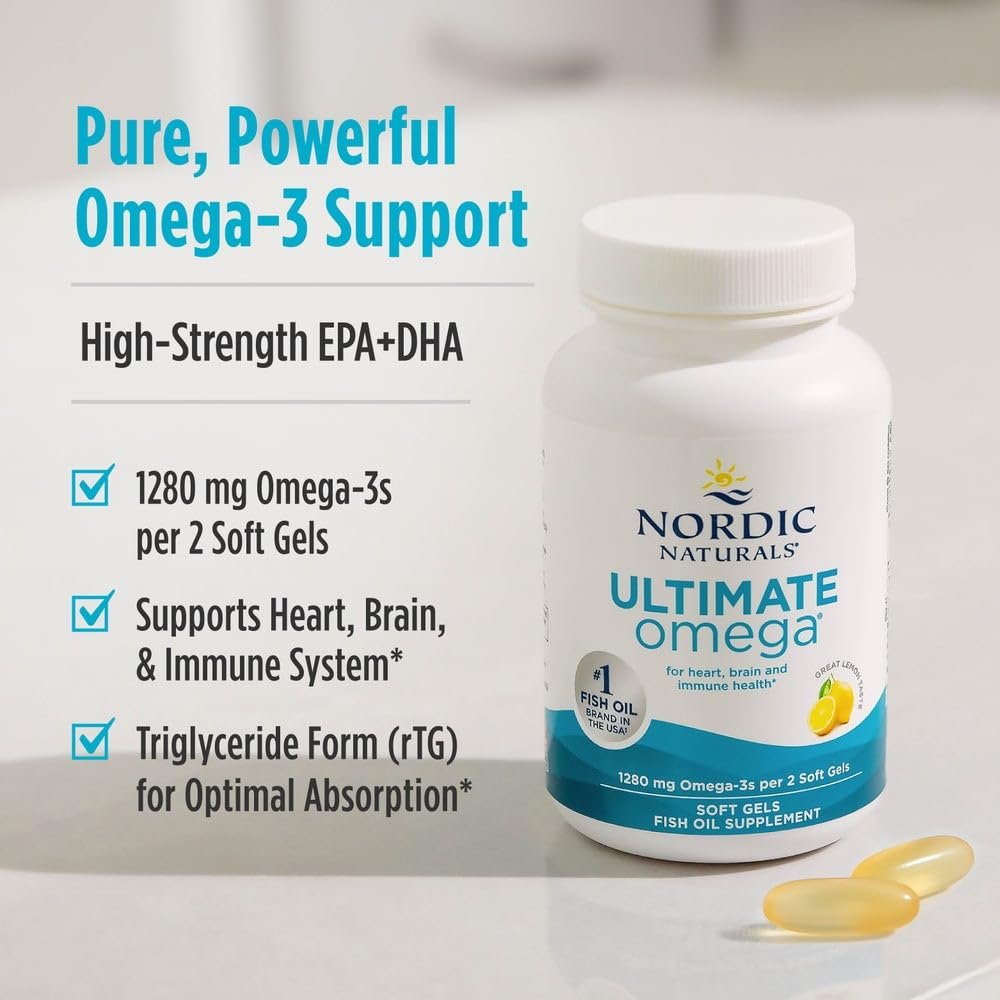
Nordic Naturals Ultimate Omega (Lemon Flavor, 90 Soft Gels)
What sets it apart
- High potency: ~1280 mg total omega-3s per serving (EPA + DHA) aligned with cognitive and cardiometabolic targets
- rTG form: Enhanced bioavailability vs. standard fish oil
- Balanced EPA:DHA profile: Supports brain structure (DHA) and anti-inflammatory pathways (EPA)
- Purity & testing: Third-party verified, non-GMO, low contaminant burden
- Palatability: Lemon flavor reduces reflux/aftertaste → better compliance

- WHY OMEGA-3s – Research shows that the essential fatty acids EPA & DHA in fish oil support heart, brain, eye function.*
- #1 SELLING OMEGA-3 BRAND IN THE U.S* – Nordic Naturals Ultimate Omega features high concentration omega-3 fish oil in so…
- BETTER ABSORPTION, BETTER TASTE, NO FISHY BURPS – All of our omega-3 fish oil concentrates are in the triglyceride molec…
Best for
- Cognitive aging and memory support
- Cardiovascular protection (lipids, endothelial function)
- Systemic inflammation management
- Foundational use within multi-nutrient geronutrition stacks
Synergistic Stacking (Geronutrition Strategy)
Omega-3 efficacy increases when combined with:
- Phosphatidylserine → enhances membrane integration
- Vitamin D → supports neuroimmune modulation
- B-complex (especially B12, folate) → reduces homocysteine-mediated neurotoxicity
This creates a multi-pathway cognitive protection model, aligning with precision geronutrition frameworks.
Risk Profile & Clinical Considerations
- Mild anticoagulant effect (caution with blood thinners)
- Gastrointestinal discomfort at high doses
- Oxidation risk → requires high-quality, purified formulations
Clinical-grade omega-3s should be:
- Third-party tested
- Low in heavy metals
- Stabilized against oxidation (e.g., with vitamin E)
Gero-Insight
Omega-3 supplementation is not a “performance enhancer”—it is infrastructure for the aging brain.
Within geronutrition systems, DHA/EPA serves as:
- A baseline intervention layer (like protein in muscle health)
- A stackable compound for advanced nootropic protocols
- A biomarker-trackable nutrient (via omega-3 index testing)
In AI-driven supplementation ecosystems, omega-3 status is often one of the first variables optimized, due to its systemic and neurological impact.
2. Bacopa Monnieri: Synaptic Plasticity, Memory Encoding & Neuroadaptation

What It Is
Bacopa Monnieri is a nootropic herb used in Ayurvedic medicine for over a millennium, now extensively studied for its memory-enhancing and neuroadaptive properties. Its primary bioactive compounds—bacosides (notably bacoside A and B)—are responsible for modulating synaptic signaling, neuronal repair and cognitive processing speed.
Unlike stimulatory nootropics, Bacopa functions as a neurotonic, meaning it gradually enhances brain function by reshaping synaptic architecture and reducing cognitive noise, rather than producing acute stimulation.
Mechanisms of Action
1. Synaptic Plasticity & Dendritic Remodeling
Bacosides enhance dendritic branching and synaptogenesis, particularly in the hippocampus—the brain’s central memory hub.
- Increases synaptic density
- Enhances long-term potentiation (LTP)
- Improves neural circuit efficiency
This translates into stronger memory encoding and retention, especially for new information.
2. Cholinergic System Modulation
Bacopa influences the acetylcholine system, a key neurotransmitter pathway for learning and memory.
- Inhibits acetylcholinesterase (AChE), increasing acetylcholine availability
- Enhances cholinergic transmission in cortical regions
This mechanism mirrors pharmaceutical cognitive enhancers—but with gradual, system-wide modulation rather than acute spikes.
3. Antioxidant Neuroprotection
The brain is highly vulnerable to oxidative stress, particularly with aging.
Bacopa:
- Upregulates endogenous antioxidant enzymes (SOD, catalase)
- Reduces lipid peroxidation in neuronal membranes
- Protects hippocampal neurons from oxidative damage
This contributes to long-term preservation of cognitive function, not just short-term enhancement.
4. HPA Axis Regulation & Stress Adaptation
Cognitive decline is often accelerated by chronic stress and elevated cortisol.
Bacopa acts as an adaptogen, modulating the hypothalamic-pituitary-adrenal (HPA) axis:
- Reduces cortisol levels
- Improves stress resilience
- Prevents stress-induced memory impairment
This is particularly relevant for stress-linked cognitive dysfunction and age-related anxiety.
5. Neurotransmitter Balancing (Serotonin & Dopamine)
Emerging data suggests Bacopa influences:
- Serotonergic pathways → mood stabilization
- Dopaminergic signaling → motivation and cognitive engagement
This creates a balanced cognitive state—improved memory without overstimulation.
Clinical Outcomes & Evidence Trends
- Randomized controlled trials show significant improvement in delayed recall and information processing speed after 8–12 weeks of use.
- Strongest effects observed in:
- Adults over 50
- Individuals with mild cognitive impairment (MCI)
- Neuroimaging studies suggest enhanced activity in memory-processing regions of the brain.
Unlike fast-acting compounds, Bacopa demonstrates cumulative cognitive enhancement, making consistency critical.
Bacopa Monnieri Benefits

Enhances Memory Formation & Retention
By strengthening synaptic connections and increasing acetylcholine availability, Bacopa improves:
- Long-term memory consolidation
- Recall accuracy
- Learning efficiency
Reduces Cognitive Anxiety & Mental Noise
Through HPA axis modulation, Bacopa:
- Lowers stress-induced cognitive interference
- Enhances clarity during complex tasks
- Improves sustained attention
Improves Learning Speed & Processing
Enhanced neural signaling and synaptic efficiency lead to:
- Faster information processing
- Improved comprehension
- Better adaptability to new cognitive demands
Optimal Dosage & Bioavailability
- Standardized extract (20–55% bacosides): 300–600 mg/day
- Effects typically begin after 4–6 weeks, with peak benefits at 8–12 weeks
- Best taken with meals (fat-containing) for improved absorption
Consistency is essential—Bacopa operates through progressive neural adaptation, not immediate stimulation.
Best Bacopa Monnieri Supplement ⬇️
Bacopa Monnieri: Synaptic Plasticity, Memory Encoding & Neuroadaptation

Why this fits the protocol:
- Standardized herbal extract aligned with clinical dosing ranges
- Organic sourcing with controlled phytochemical consistency
- Trusted Ayurvedic formulation with global distribution
- Suitable for long-term cognitive support stacks

- PREMIUM BACOPA: Himalaya Organic Bacopa is a clinically studied herbal supplement made with premium Bacopa powder and co…
- BACKED BY CLINICAL STUDIES: Himalaya Organic Bacopa has been evaluated in 3 human clinical trials for its effects on cog…
- POTENT & AUTHENTIC BACOPA: We use concentrated Bacopa extract standardized to 24% Bacopa saponins with Bacopa whole plan…
Best for:
- Memory enhancement protocols
- Stress-related cognitive decline
- Foundational nootropic stacking in geronutrition systems
Synergistic Stacking (Geronutrition Strategy)
Bacopa performs best when integrated into multi-pathway protocols:
- Omega-3 (DHA) → enhances membrane-level effects
- Ginkgo Biloba → improves cerebral blood flow
- Lion’s Mane → complements neurogenesis pathways
This combination creates a comprehensive cognitive architecture strategy:
- Structural (Omega-3)
- Functional (Bacopa)
- Circulatory (Ginkgo)
- Regenerative (Lion’s Mane)
Risk Profile & Clinical Considerations
- Mild gastrointestinal discomfort in some individuals
- Potential sedative effect (best taken in evening for sensitive users)
- Interaction with sedatives or thyroid medications (monitor clinically)
High-quality extracts are critical—look for:
- Standardized bacoside content
- Third-party testing
- Absence of contaminants
Gero-Insight
Bacopa Monnieri is not a quick-performance enhancer—it is a neuroadaptive intelligence compound.
Within geronutrition ecosystems, it functions as:
- A memory architecture optimizer
- A stress-buffering cognitive stabilizer
- A long-term neural efficiency enhancer
In precision supplementation platforms, Bacopa is often deployed where:
- Cognitive decline is subtle but progressive
- Stress and cognition are interlinked
- Long-term brain optimization is prioritized over short-term stimulation
It represents a shift from “boosting the brain” to retraining how the brain encodes, processes and retains information over time.
3. Ginkgo Biloba: Cerebral Blood Flow, Neurovascular Coupling & Cognitive Longevity

What It Is
Ginkgo Biloba is one of the most extensively studied botanical extracts in cognitive medicine, derived from the leaves of the ancient Ginkgo tree. Its pharmacological activity is driven by two primary compound classes:
- Flavonoid glycosides → potent antioxidants
- Terpene lactones (ginkgolides, bilobalide) → neurovascular and mitochondrial modulators
Unlike purely neurochemical nootropics, Ginkgo operates at the neurovascular interface—enhancing the delivery of oxygen and nutrients to brain tissue while protecting neurons from ischemic and oxidative damage.
Mechanisms of Action

1. Cerebral Microcirculation Enhancement
Ginkgo improves endothelial function and capillary perfusion, particularly in aging brains where microvascular decline is common.
- Increases nitric oxide (NO) availability
- Promotes vasodilation in cerebral arteries
- Enhances capillary density and blood flow distribution
This results in improved oxygen and glucose delivery, directly supporting neuronal metabolism and cognitive performance.
2. Neurovascular Coupling Optimization
Healthy cognition depends on the brain’s ability to match blood flow with neural activity (neurovascular coupling).
Ginkgo:
- Improves responsiveness of blood vessels to neuronal demand
- Enhances functional connectivity between neurons and vascular networks
This is critical in aging, where impaired coupling leads to mental fatigue, slower processing, and reduced clarity.
3. Anti-Platelet & Hemorheological Effects
Ginkgolides inhibit platelet-activating factor (PAF), leading to:
- Reduced platelet aggregation
- Improved blood viscosity
- Enhanced microvascular flow
This mechanism is particularly relevant in vascular cognitive impairment, where reduced perfusion contributes to decline.
4. Mitochondrial Protection & Energy Metabolism
Bilobalide supports mitochondrial stability, protecting neurons from energy failure:
- Enhances ATP production efficiency
- Reduces mitochondrial oxidative stress
- Stabilizes neuronal energy supply under stress conditions
This contributes to sustained cognitive endurance, especially in mentally demanding tasks.
5. Antioxidant & Neuroprotective Effects
Ginkgo’s flavonoids neutralize reactive oxygen species (ROS), which accumulate with age and damage neuronal structures.
- Protects lipid membranes from peroxidation
- Preserves synaptic integrity
- Reduces age-related neuronal degeneration
Clinical Outcomes & Evidence Trends
- Meta-analyses show modest but consistent improvements in attention, processing speed, and memory in older adults.
- Strongest effects observed in:
- Mild cognitive impairment (MCI)
- Early-stage dementia
- Vascular-related cognitive decline
- Long-term use is associated with slower progression of cognitive symptoms, particularly when vascular factors are involved.
Ginkgo Biloba Benefits
Enhances Brain Circulation & Oxygenation
By improving microvascular flow, Ginkgo ensures:
- Better oxygen delivery
- Improved glucose utilization
- Reduced cognitive fatigue
Improves Attention, Focus & Recall
Optimized neurovascular coupling leads to:
- Faster processing speed
- Sharper attention span
- Improved working memory
Supports Vascular Cognitive Health
Ginkgo is uniquely effective in:
- Vascular dementia support
- Stroke recovery adjunct protocols
- Mixed dementia cases (vascular + neurodegenerative)
Optimal Dosage & Bioavailability
- Standardized extract (24% flavonoids, 6% terpene lactones): 120–240 mg/day
- Divided doses improve plasma stability
- Effects typically observed within 4–8 weeks
Standardization is critical—non-standardized products lack clinical reliability.
Best Ginkgo Biloba Supplement ⬇️
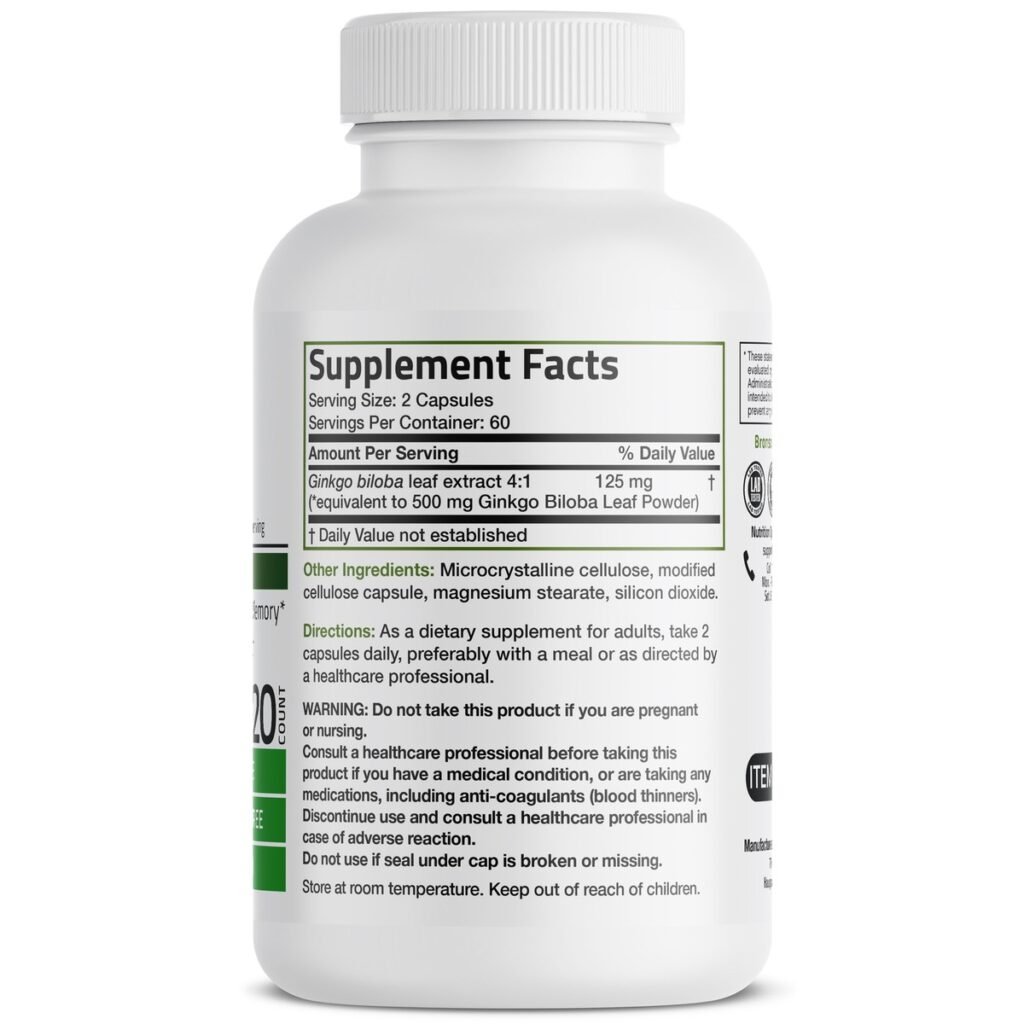
Bronson Ginkgo Biloba Extra Strength (120 Vegetarian Capsules)
Why this fits the protocol:
- High-potency formulation aligned with clinical dosage ranges
- Standardized extract for consistent flavonoid and terpene content
- Vegetarian capsules for broader usability
- Designed specifically for brain function and memory support

- Brain Health Support*: Bronson Ginkgo Biloba helps to support healthy brain function, focus and memory*
- Superior Quality: Laboratory tested GMO-Free, Gluten-Free and Soy-Free. Bronson products are in-house tested and careful…
- cGMP Premium Standards: Every product manufactured by Bronson is put through a rigorous process to ensure purity, potenc…
Best for:
- Circulation-related cognitive decline
- Focus and attention improvement
- Vascular support in aging populations
Synergistic Stacking (Geronutrition Strategy)
Ginkgo integrates effectively into multi-layer cognitive protocols:
- Bacopa Monnieri → enhances memory encoding (functional layer)
- Omega-3 (DHA/EPA) → supports neuronal structure (structural layer)
- Rhodiola Rosea → reduces fatigue and stress (adaptive layer)
Together, they create a full-spectrum cognitive system:
- Blood flow (Ginkgo)
- Synaptic function (Bacopa)
- Structural integrity (Omega-3)
- Stress resilience (Rhodiola)
Risk Profile & Clinical Considerations
- Increased bleeding risk (due to anti-platelet effects)
- Caution with anticoagulants (e.g., warfarin, aspirin)
- Possible mild side effects:
- Headache
- Gastrointestinal discomfort
- Should be discontinued before surgical procedures
Clinical supervision is recommended in geriatric populations with polypharmacy considerations.
Gero-Insight
Ginkgo Biloba is best understood not as a direct cognitive enhancer, but as a cognitive infrastructure amplifier.
Within geronutrition systems, it serves as:
- A vascular optimization layer
- A delivery enhancer for other nootropics (by improving cerebral perfusion)
- A bridge between cardiovascular and cognitive health
In precision supplementation models, Ginkgo is prioritized when:
- Blood flow limitations are identified
- Cognitive fatigue is linked to vascular inefficiency
- Mixed dementia profiles are present
It reframes cognitive support from “neuron-centric” to system-wide brain optimization, where circulation, metabolism, and signaling operate as an integrated network.
4. Lion’s Mane Mushroom: Neurogenesis, Nerve Growth Factor & Brain Regeneration

What It Is
Lion’s Mane Mushroom (Hericium erinaceus) is a medicinal fungus distinguished by its ability to stimulate nerve growth factor (NGF)—a critical protein involved in the growth, maintenance, and survival of neurons.

Its primary bioactive compounds:
- Hericenones (fruiting body-derived)
- Erinacines (mycelium-derived)
These compounds uniquely cross the blood-brain barrier and directly influence neurogenesis and neural repair, positioning Lion’s Mane as one of the few natural compounds with regenerative potential in the central nervous system.
Mechanisms of Action
1. Nerve Growth Factor (NGF) Stimulation
NGF is essential for:
- Neuronal growth and differentiation
- Synaptic plasticity
- Repair of damaged neurons
Lion’s Mane increases NGF synthesis, leading to:
- Enhanced neurite outgrowth
- Strengthened neural networks
- Improved communication between brain regions
This mechanism targets root-level neural degeneration, rather than just symptomatic cognitive decline.
2. Hippocampal Neurogenesis & Memory Encoding
The hippocampus is highly sensitive to aging and stress.
Lion’s Mane:
- Promotes the formation of new neurons (neurogenesis)
- Enhances synaptic plasticity
- Improves long-term potentiation (LTP)
This results in better memory formation, spatial awareness and learning capacity.
3. Myelination & Neural Signal Efficiency
Myelin sheaths are critical for rapid signal transmission.
Lion’s Mane supports:
- Myelin repair and maintenance
- Increased conduction velocity of nerve impulses
- Reduced neural signal degradation
This contributes to sharper cognition and faster processing speed, particularly in aging brains.
4. Anti-Neuroinflammatory Effects
Chronic inflammation accelerates neurodegeneration.
Lion’s Mane:
- Reduces pro-inflammatory cytokines (IL-1β, TNF-α)
- Modulates microglial activation
- Protects neurons from inflammatory damage
This creates a protective environment for long-term brain health.
5. Amyloid Plaque & Neurodegeneration Modulation
Preclinical studies indicate Lion’s Mane may:
- Reduce amyloid-β deposition
- Improve cognitive function in Alzheimer’s models
- Support neuronal survival under toxic conditions
While human data is still evolving, this positions Lion’s Mane as a forward-looking neuroprotective compound.
Clinical Outcomes & Evidence Trends

- Human trials show improvements in mild cognitive impairment (MCI) after 12–16 weeks of supplementation.
- Cognitive benefits tend to decline after discontinuation—indicating ongoing use is necessary for sustained effects.
- Strongest outcomes observed in:
- Memory recall
- Cognitive processing
- Mental clarity
Emerging research is exploring its role in neurodegenerative disease prevention and recovery protocols.
Lions Mane Benefits
Promotes Brain Regeneration & Repair
By stimulating NGF, Lion’s Mane supports:
- Neuron growth and repair
- Recovery from neural damage
- Long-term brain resilience
Enhances Memory & Learning Capacity
Through hippocampal neurogenesis and synaptic plasticity:
- Improves memory encoding
- Strengthens recall pathways
- Enhances learning efficiency
Supports Cognitive Longevity
Its combined neuroprotective and regenerative effects:
- Slow age-related decline
- Preserve brain structure and function
- Extend cognitive lifespan
Optimal Dosage & Bioavailability
- Standardized extract: 500–1,500 mg/day
- Dual-extract (fruiting body + mycelium) preferred for full-spectrum compounds
- Effects typically emerge within 8–16 weeks
Look for beta-glucan content standardization, not just “mushroom weight,” for potency verification.
Best Lion’s Mane Supplement ⬇️
Real Mushrooms Lion’s Mane Mushroom Cognition (120 Capsules)

Why this fits the protocol:
- Uses 100% mushroom extract (no grain fillers)
- Standardized for active compounds (beta-glucans)
- Dual-support for brain function, focus, and neurogenesis
- Clean-label formulation aligned with clinical use
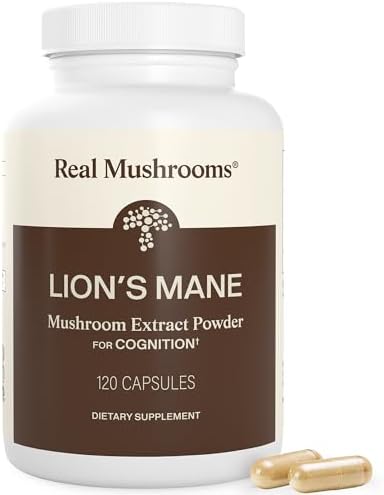
- Lion’s Mane Capsules for Brain & Immune Support: Made using hand-picked Lion’s Mane mushroom extract, our supplement pro…
- Organic Mushroom Extract: Our mushroom capsules are only made from 100% mushrooms (fruiting bodies), not mycelium grown …
- Measured Beta-Glucans: Verified by 3rd-party labs, our organic mushroom supplement has >30% beta-glucans per capsule, he…
Best for:
- Neuroregeneration protocols
- Memory and learning enhancement
- Long-term cognitive preservation strategies
Synergistic Stacking (Geronutrition Strategy)
Lion’s Mane is most effective when integrated into layered cognitive systems:
- Omega-3 (DHA) → structural neuronal support
- Bacopa Monnieri → memory encoding enhancement
- Ginkgo Biloba → improved cerebral blood flow
This creates a regenerative cognitive stack:
- Regeneration (Lion’s Mane)
- Structure (Omega-3)
- Function (Bacopa)
- Delivery (Ginkgo)
Risk Profile & Clinical Considerations
- Generally well tolerated
- Rare side effects:
- Mild digestive discomfort
- Allergic reactions (in sensitive individuals)
- Long-term safety profile appears favorable, but consistent sourcing quality is critical
Ensure:
- Third-party testing
- Absence of fillers or mycelium-on-grain dilution
- Verified beta-glucan content
Gero-Insight
Lion’s Mane represents a shift from supporting the brain → rebuilding the brain.
Within geronutrition ecosystems, it functions as:
- A neuroregenerative core compound
- A future-facing intervention for neurodegenerative risk
- A bridge between nutrition and neural repair science
In precision supplementation models, Lion’s Mane is prioritized when:
- Neural repair is required (post-decline or early degeneration)
- Cognitive longevity is a primary goal
- Structural brain support must go beyond maintenance
It introduces a fundamentally different paradigm: not just preserving cognition, but actively restoring neural capacity over time.
5. Rhodiola Rosea: Stress Neurobiology, Cognitive Energy & Mental Endurance

What It Is
Rhodiola Rosea is a high-altitude adaptogenic herb, often called “golden root,” with a unique capacity to optimize the brain’s response to stress while enhancing cognitive energy systems.
Its primary active compounds:
- Rosavins (rosavin, rosarin, rosin)
- Salidroside
These bioactives target the neuroendocrine stress axis (HPA axis), mitochondrial energy production, and neurotransmitter balance—making Rhodiola one of the most effective compounds for stress-induced cognitive dysfunction and fatigue-related decline.
Mechanisms of Action
1. HPA Axis Modulation & Cortisol Regulation
Chronic stress leads to sustained cortisol elevation, which impairs memory, shrinks hippocampal volume, and reduces cognitive flexibility.
Rhodiola:
- Normalizes cortisol release patterns
- Reduces hyperactivation of the HPA axis
- Enhances stress resilience without sedation
This results in stable cognitive performance under pressure, rather than stress-induced decline.
2. Mitochondrial Energy Optimization (ATP Production)
Cognitive fatigue is fundamentally an energy deficit problem at the neuronal level.
Rhodiola:
- Enhances mitochondrial efficiency
- Increases ATP synthesis
- Reduces oxidative stress within mitochondria
This supports:
- Sustained mental energy
- Reduced burnout
- Improved endurance in cognitively demanding tasks
3. Neurotransmitter Modulation (Serotonin, Dopamine, Norepinephrine)
Rhodiola influences key monoamine systems:
- Dopamine → motivation, executive function
- Serotonin → mood stability
- Norepinephrine → alertness and attention
Unlike stimulants, Rhodiola balances neurotransmitters without overstimulation, leading to a clean, sustained cognitive state.
4. Anti-Fatigue & Cognitive Performance Enhancement
Rhodiola reduces central fatigue, a neurological condition where the brain’s ability to sustain effort declines.
Mechanisms include:
- Reduced perceived exertion
- Improved neural efficiency
- Faster recovery from cognitive strain
This is particularly valuable in aging populations where mental endurance declines before memory does.
5. Neuroprotective & Anti-Inflammatory Effects
Rhodiola exhibits antioxidant activity that:
- Protects neurons from oxidative damage
- Reduces neuroinflammation
- Preserves cognitive function under stress conditions
Clinical Outcomes & Evidence Trends
- Clinical trials show significant reductions in fatigue, stress, and burnout symptoms within 1–2 weeks.
- Improvements observed in:
- Attention span
- Cognitive speed
- Task accuracy under stress
- Particularly effective in:
- Stress-related cognitive impairment
- Burnout and mental exhaustion
- Age-related decline linked to chronic stress
Rhodiola Rosea Benefits
Reduces Mental Fatigue & Burnout
By optimizing mitochondrial energy and reducing cortisol:
- Sustains cognitive output over longer periods
- Prevents mental exhaustion
- Enhances productivity in aging individuals
Enhances Focus & Cognitive Clarity
Balanced neurotransmitter activity leads to:
- Improved concentration
- Faster decision-making
- Reduced brain fog
Improves Stress Resilience & Mood Stability
Through HPA axis regulation:
- Stabilizes emotional responses
- Reduces anxiety-related cognitive disruption
- Supports consistent mental performance
Optimal Dosage & Bioavailability (Advanced Guidance)
- Standardized extract (3% rosavins, 1% salidroside): 200–400 mg/day
- Best taken in the morning or early afternoon (mildly stimulating)
- Effects often noticeable within days to 2 weeks
Standardization is critical—non-standardized Rhodiola lacks consistent clinical outcomes.
Best Rhodiola Rosea Supplement ⬇️
Thorne Botanical Rhodiola Rosea Supplement for Stress Relief (60 Capsules)

Why this fits the protocol:
- Clinically aligned standardization (rosavins + salidroside)
- High-purity formulation from a premium supplement manufacturer
- Designed for stress resilience, mental focus and cognitive endurance
- Clean-label, research-backed ingredient sourcing
- Adaptogenic Benefits: A single-active ingredient formula with Rhodiola rosea, a well-researched botanical adaptogen that…
- Brain Support: Helps balance neurotransmitters, including serotonin, dopamine, norepinephrine, and beta-endorphins to en…
- Stress Management: Promotes a balanced mindset to counteract feelings of occasional drowsiness and fatigue*
Best for:
- Stress-induced cognitive decline
- Mental fatigue and burnout
- Enhancing focus in high-demand environments
Synergistic Stacking (Geronutrition Strategy)
Rhodiola integrates as the adaptive layer in cognitive systems:
- Omega-3 (DHA/EPA) → structural brain support
- Bacopa Monnieri → memory and learning enhancement
- Lion’s Mane Mushroom → neuroregeneration
This creates a performance-resilience stack:
- Energy (Rhodiola)
- Structure (Omega-3)
- Memory (Bacopa)
- Regeneration (Lion’s Mane)
Risk Profile & Clinical Considerations
- Generally well tolerated
- Possible side effects:
- Mild stimulation (insomnia if taken late)
- Irritability in high doses
- Caution in:
- Bipolar disorder (may influence mood cycling)
- Combination with antidepressants (monitor clinically)
Quality indicators:
- Standardized extract ratios
- Third-party testing
- Absence of adulterants
Gero-Insight
Rhodiola Rosea is not a traditional “brain booster”—it is a cognitive stress optimizer.
Within geronutrition systems, it functions as:
- A fatigue resistance layer
- A neuroendocrine stabilizer
- A performance enhancer under stress conditions
In precision supplementation models, Rhodiola is prioritized when:
- Cognitive decline is linked to chronic stress
- Energy deficits impair mental performance
- Sustained focus is more critical than raw memory enhancement
It reframes cognitive health from static function to dynamic adaptability, where the brain maintains performance despite internal and external stressors.
6. Vitamin B Complex (B6, B9, B12): Methylation, Neurotransmitters & Brain Atrophy Prevention
What It Is
Vitamin B Complex—with particular emphasis on Vitamin B6 (pyridoxine), B9 (folate) and B12 (cobalamin)—forms the biochemical backbone of brain metabolism, methylation pathways and neurotransmitter synthesis.
Unlike botanical nootropics that modulate signaling, B vitamins operate at a foundational metabolic level, directly influencing:
- DNA synthesis and repair
- Myelin formation
- Neurotransmitter production
- Homocysteine regulation
In geronutrition, deficiencies in these vitamins are among the most common and reversible causes of cognitive decline.
Mechanisms of Action
1. One-Carbon Metabolism & Methylation Cycle
B6, B9 and B12 are central to the one-carbon metabolism pathway, which governs methylation—a critical process for:
- Gene expression regulation
- Neurotransmitter synthesis
- Neural repair mechanisms
They convert homocysteine → methionine, preventing toxic accumulation.
Elevated homocysteine is strongly associated with:
- Brain atrophy
- Cognitive decline
- Increased dementia risk
By regulating this pathway, B vitamins act as neuroprotective metabolic regulators.
2. Homocysteine Reduction & Brain Atrophy Prevention
High homocysteine levels damage blood vessels and neurons.
B-vitamin supplementation:
- Reduces plasma homocysteine levels
- Slows gray matter atrophy (especially in hippocampus)
- Preserves brain volume in aging populations
Clinical studies show that targeted B-vitamin therapy can significantly slow brain shrinkage in individuals with mild cognitive impairment (MCI).
3. Neurotransmitter Synthesis (Serotonin, Dopamine, GABA)
Vitamin B6 is a cofactor in the synthesis of:
- Serotonin → mood and emotional regulation
- Dopamine → motivation and executive function
- GABA → inhibitory balance and mental calm
B9 and B12 support methylation-dependent steps in neurotransmitter production, ensuring balanced cognitive and emotional states.
4. Myelin Formation & Nerve Integrity
Vitamin B12 is essential for myelin sheath synthesis, which insulates nerve fibers and enables rapid signal transmission.
Deficiency leads to:
- Demyelination
- Slowed neural conduction
- Memory impairment and confusion
Adequate B12 ensures efficient neural communication and cognitive clarity.
5. DNA Repair & Neurogenesis Support
Folate (B9) plays a key role in:
- DNA synthesis
- Cell division
- Neural regeneration
This is particularly important in aging, where repair mechanisms decline and damage accumulates.
Clinical Outcomes & Evidence Trends
- Strong evidence links low B12 and folate levels with cognitive decline and dementia risk.
- Supplementation shows:
- Improved memory and cognitive performance in deficient individuals
- Slower brain atrophy rates
- Better mood and reduced depressive symptoms
- Effects are most pronounced in:
- Older adults (>50)
- Individuals with elevated homocysteine
- Those with dietary deficiencies (common in vegetarian/vegan populations for B12)
Vitamin B Complex Benefits
Prevents Cognitive Decline Due to Deficiency
By restoring essential biochemical pathways:
- Reverses deficiency-related cognitive impairment
- Protects against neurodegeneration
- Maintains brain structure
Supports Mood, Focus & Mental Clarity
Through neurotransmitter synthesis:
- Enhances emotional stability
- Improves focus and alertness
- Reduces brain fog
Preserves Neural Integrity & Communication
Via myelin support and methylation:
- Ensures fast and efficient neural signaling
- Maintains cognitive processing speed
- Supports long-term brain health
Optimal Dosage & Bioavailability
- Vitamin B6: 10–50 mg/day
- Folate (B9): 400–800 mcg/day (preferably as methylfolate)
- Vitamin B12: 500–1,000 mcg/day (methylcobalamin preferred)
Advanced considerations:
- Methylated forms improve absorption and utilization
- Sustained-release formulations provide stable plasma levels
- B12 absorption declines with age → supplementation becomes critical
Best B Complex Supplement ⬇️
Bronson Super B Vitamin B Complex Sustained Slow Release (60 Tablets)
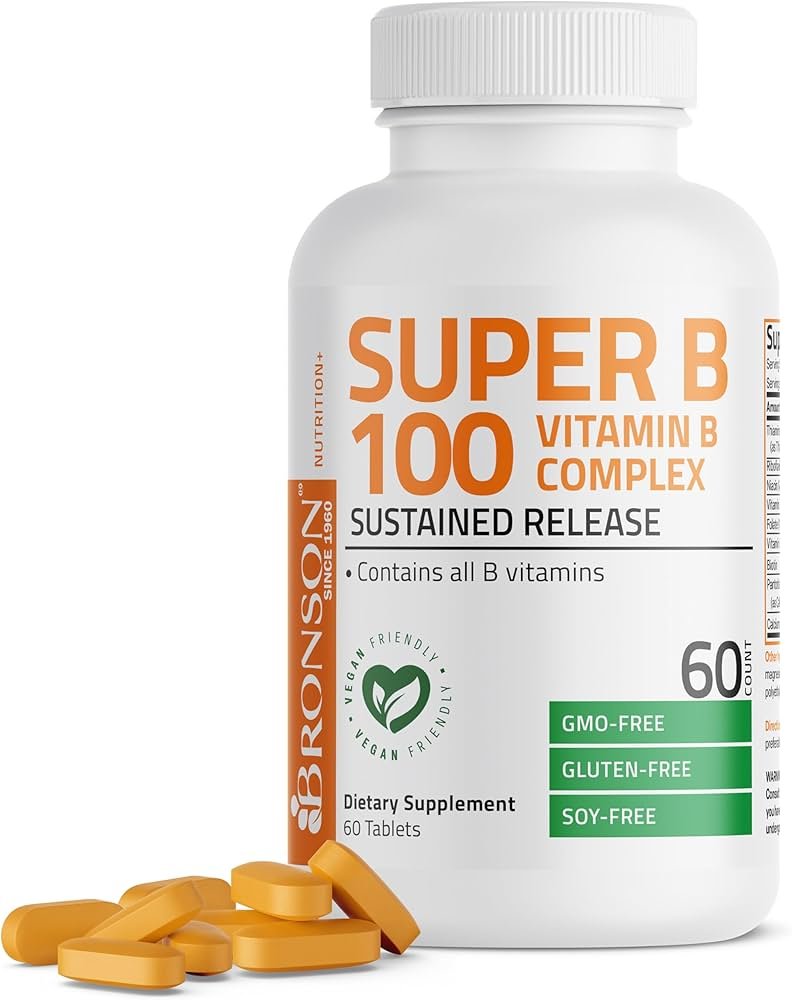
Why this fits the protocol:
- Contains full-spectrum B vitamins, including B6, B9 (folic acid), and B12
- Sustained slow-release formula ensures consistent nutrient delivery
- Supports energy metabolism, brain function and nervous system health
- Convenient all-in-one solution for foundational cognitive support

- Contains All B Vitamins: B1, B2, B3, B6, Folic Acid, B12, Biotin, Pantothanic Acid. Manufactured at cGMP registered faci…
- Sustained Release + Energy: Slowly releases over 6-8 hours to provide a steady balanced stream of B vitamins (Vitamin B2…
- Extra Potent Source of B-Complex Vitamins: Our extra strength formula contains all the essential B Vitamins in just one …
Best for:
- Correcting nutritional deficiencies
- Supporting brain metabolism and energy
- Foundational layer in any cognitive supplementation stack
Synergistic Stacking (Geronutrition Strategy)
Vitamin B Complex acts as the biochemical foundation layer:
- Omega-3 (DHA/EPA) → structural neuronal support
- Bacopa Monnieri → memory enhancement
- Ginkgo Biloba → vascular optimization
This creates a complete cognitive system:
- Metabolism (B Vitamins)
- Structure (Omega-3)
- Function (Bacopa)
- Delivery (Ginkgo)
Without adequate B-vitamin status, higher-level nootropics often underperform—making this a non-negotiable baseline intervention.
Risk Profile & Clinical Considerations
- Generally safe at recommended doses
- Potential risks:
- High-dose B6 → neuropathy (long-term excessive intake)
- Folic acid may mask B12 deficiency if not balanced
- Special considerations:
- Elderly individuals often have reduced B12 absorption
- Regular monitoring of B12 and homocysteine levels is recommended
Quality markers:
- Balanced formulation (not excessively high in one B vitamin)
- Sustained-release or bioactive forms
- Third-party testing for purity
Gero-Insight
Vitamin B Complex is not a performance enhancer—it is biochemical infrastructure for cognition.
Within geronutrition systems, it serves as:
- A metabolic enabler for all brain processes
- A deficiency-correction layer with direct cognitive impact
- A prerequisite for advanced nootropic effectiveness
In precision supplementation models, B-vitamin optimization is often the first intervention, because:
- It addresses reversible causes of cognitive decline
- It amplifies the effectiveness of other compounds
- It provides measurable biomarkers (B12 levels, homocysteine) for tracking
It represents the transition from symptomatic support to root-cause correction in cognitive health.
Comparison Chart: Top Cognitive Supplements
| Supplement | Primary Benefit | Best For | Evidence Strength | Time to Effect |
|---|---|---|---|---|
| Omega-3 (DHA) | Brain structure support | Aging brains | High | 4–12 weeks |
| Bacopa Monnieri | Memory enhancement | Memory decline | High | 6–12 weeks |
| Ginkgo Biloba | Blood flow improvement | Circulation issues | Moderate | 4–8 weeks |
| Lion’s Mane | Neurogenesis | Neuroprotection | Emerging | 8–16 weeks |
| Rhodiola Rosea | Mental fatigue reduction | Stress, burnout | Moderate | 1–2 weeks |
| Vitamin B Complex | Deficiency correction | Nutritional gaps | High | 2–6 weeks |
Cognitive & Brain Supplements in 2026
The landscape has shifted toward precision supplementation:
- AI-personalized nootropic stacks based on biomarkers
- Integration with remote patient monitoring platforms
- DNA-based cognitive nutrition profiling
- Combination formulas targeting multiple pathways (memory + mood + neuroprotection)
Expect increased clinical validation and regulated formulations targeting aging populations.
Benefits
- Improved memory and recall
- Enhanced focus and mental clarity
- Slower cognitive decline
- Better mood regulation
- Neuroprotection against aging-related damage
- Increased daily functional independence
Cost Expectations
- Basic supplements (B vitamins, Omega-3): $10–$30/month
- Mid-tier nootropics (Bacopa, Ginkgo): $20–$50/month
- Premium stacks (combined formulas): $50–$120/month
Costs vary based on formulation quality, bioavailability and brand credibility.
Risks & Considerations
- Interactions with medications (especially blood thinners with Ginkgo)
- Over-supplementation risks (Vitamin B6 toxicity in high doses)
- Variable supplement quality across brands
- Delayed effects—many require consistent long-term use
Always align supplementation with clinical guidance, especially in geriatric populations.
👉 Upload Your Blood Report for Personalized Recommendations
Integrate precision geronutrition into your cognitive health strategy.
Frequently Asked Questions (FAQs)
1. What are the best cognitive & brain supplements for seniors in 2026?
The most effective cognitive supplements for seniors in 2026 include Omega-3 (DHA/EPA), Bacopa Monnieri, Ginkgo Biloba, Lion’s Mane Mushroom, Rhodiola Rosea, and Vitamin B Complex (B6, B9, B12). These target different pathways—neuroprotection, memory enhancement, stress reduction, and deficiency correction—making them highly effective when used in combination.
2. Do brain supplements actually improve memory and cognitive function?
Yes—clinically supported brain supplements for seniors can improve memory, focus, and cognitive performance, particularly in individuals with mild cognitive impairment, stress-related brain fog or nutritional deficiencies. However, results are typically gradual and depend on consistent use and proper selection.
3. Which supplement is best for memory loss in older adults?
For memory loss, Bacopa Monnieri and Omega-3 (DHA) are among the most effective. Bacopa enhances memory encoding and recall, while DHA supports synaptic structure and long-term brain health. In deficiency-related cases, Vitamin B12 is also critical.
4. Are cognitive supplements safe for elderly individuals?
Most cognitive supplements are safe when used appropriately, but risks depend on dosage, quality and existing medications. For example, Ginkgo Biloba may interact with blood thinners, and excessive Vitamin B6 can cause nerve issues. Medical guidance is recommended, especially in geriatric care.
5. How long do Brain supplements for seniors take to work?
The timeline varies by supplement:
- Rhodiola Rosea: 1–2 weeks (stress & focus)
- Ginkgo Biloba: 4–8 weeks (circulation & cognition)
- Bacopa Monnieri: 6–12 weeks (memory improvement)
- Lion’s Mane: 8–16 weeks (neuroregeneration)
- Omega-3: 4–12 weeks (structural brain benefits)
Consistency is key, as most act through long-term neurological adaptation.
People Also Ask (PAA)
1. What vitamins help improve memory in seniors?
Vitamins B6, B9 (folate), and B12 are essential for memory and brain function. They regulate homocysteine levels, support neurotransmitter production, and prevent brain atrophy—making them critical for aging populations.
2. Can brain supplements for seniors prevent dementia or Alzheimer’s disease?
Brain supplements for seniors cannot fully prevent dementia, but certain compounds like Omega-3, Ginkgo Biloba and Lion’s Mane may help slow progression and reduce risk factors by supporting brain structure, circulation, and neuroprotection.
3. What is the difference between nootropics and brain supplements?
“Nootropics” is a broader term that includes both natural supplements and synthetic compounds, while brain supplements typically refer to natural, nutrition-based interventions used for long-term cognitive health, especially in seniors.
4. Is it better to take a combination of brain supplements or a single one?
A stacked approach is generally more effective because cognitive decline involves multiple pathways. Combining supplements like Omega-3 (structure), Bacopa (memory) and B vitamins (metabolism) creates a more comprehensive effect.
5. Are natural brain supplements for seniors better than pharmaceutical options?
Natural supplements are generally safer for long-term use and focus on supporting underlying brain health, while pharmaceuticals often provide short-term symptomatic relief. The best approach depends on the severity of cognitive decline and clinical context.